| Blog | How to Minimise Surface Damage During Infrastructure Projects
Posted on
|
Read Time – hello from the saved content!
How to Minimise Surface Damage During Infrastructure Projects
Whether it’s road resurfacing, utility installations, or pavement upgrades, preventing unnecessary surface damage can save time, reduce costs, and extend the lifespan of surrounding infrastructure.
Best Practices for Minimising Surface Damage in Infrastructure Projects
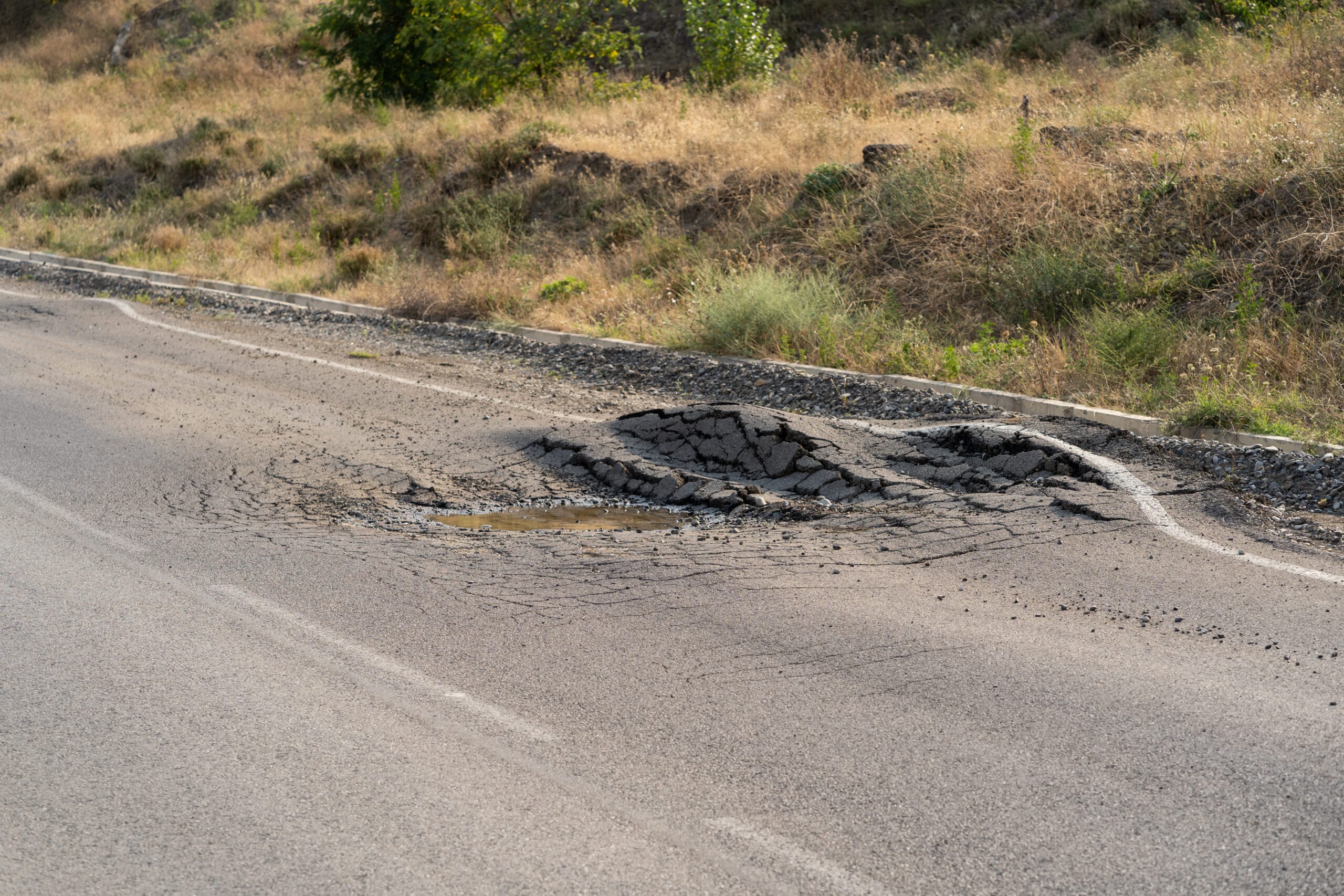
When undertaking infrastructure projects, one of the key challenges is preserving the integrity of existing surfaces—especially when working with materials like asphalt. Whether it’s road resurfacing, utility installations, or pavement upgrades, preventing unnecessary surface damage can save time, reduce costs, and extend the lifespan of surrounding infrastructure. A proactive approach that includes careful planning, clear site demarcation, and the use of appropriate machinery can make a significant difference. To understand the full range of specialised solutions that help protect and rehabilitate asphalt and civil surfaces, from overlays and resurfacing to maintenance and reinstatement, consider exploring Roadsafe Asphalt Services, which offers comprehensive surface and civil works expertise across project types.
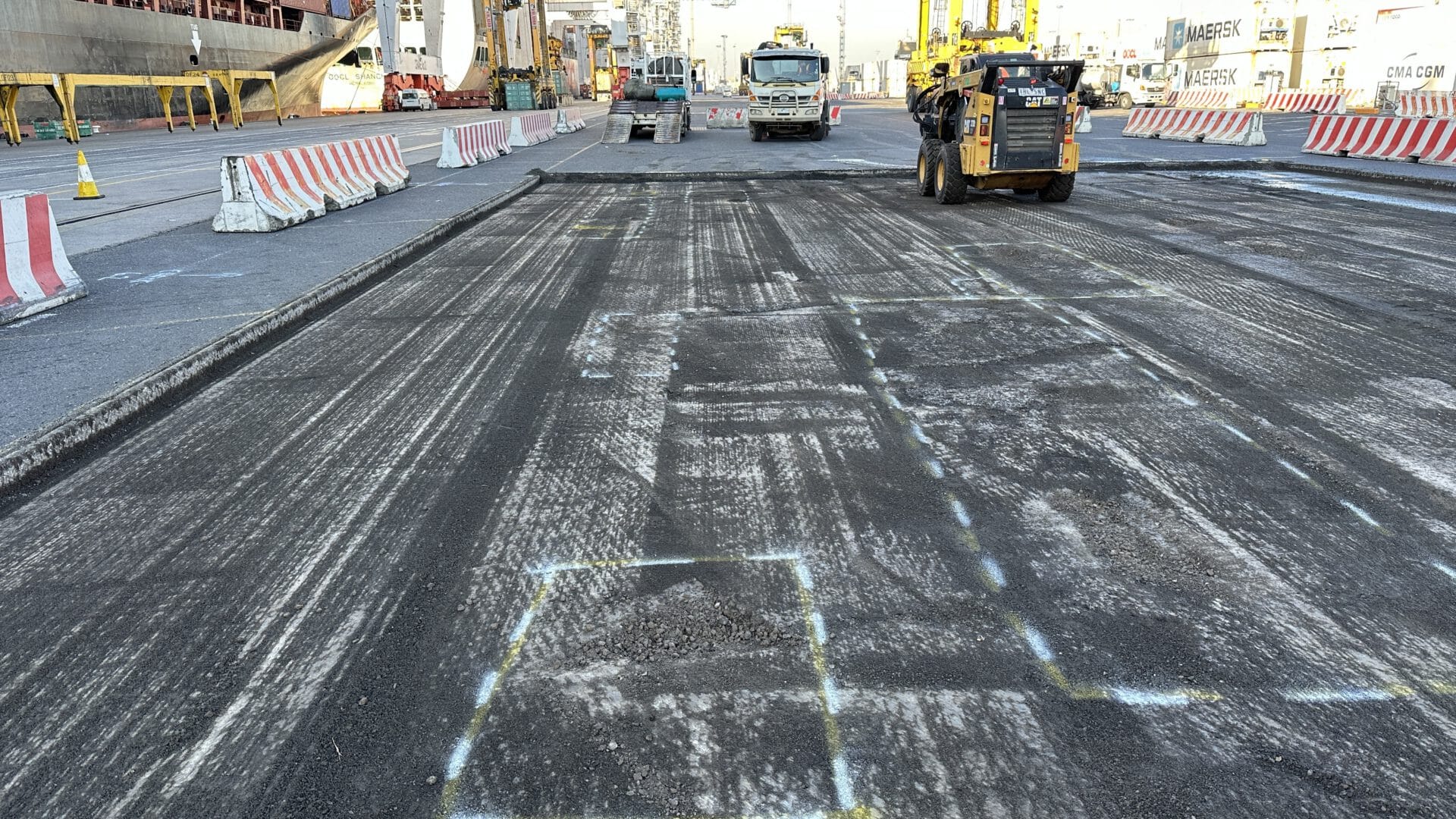
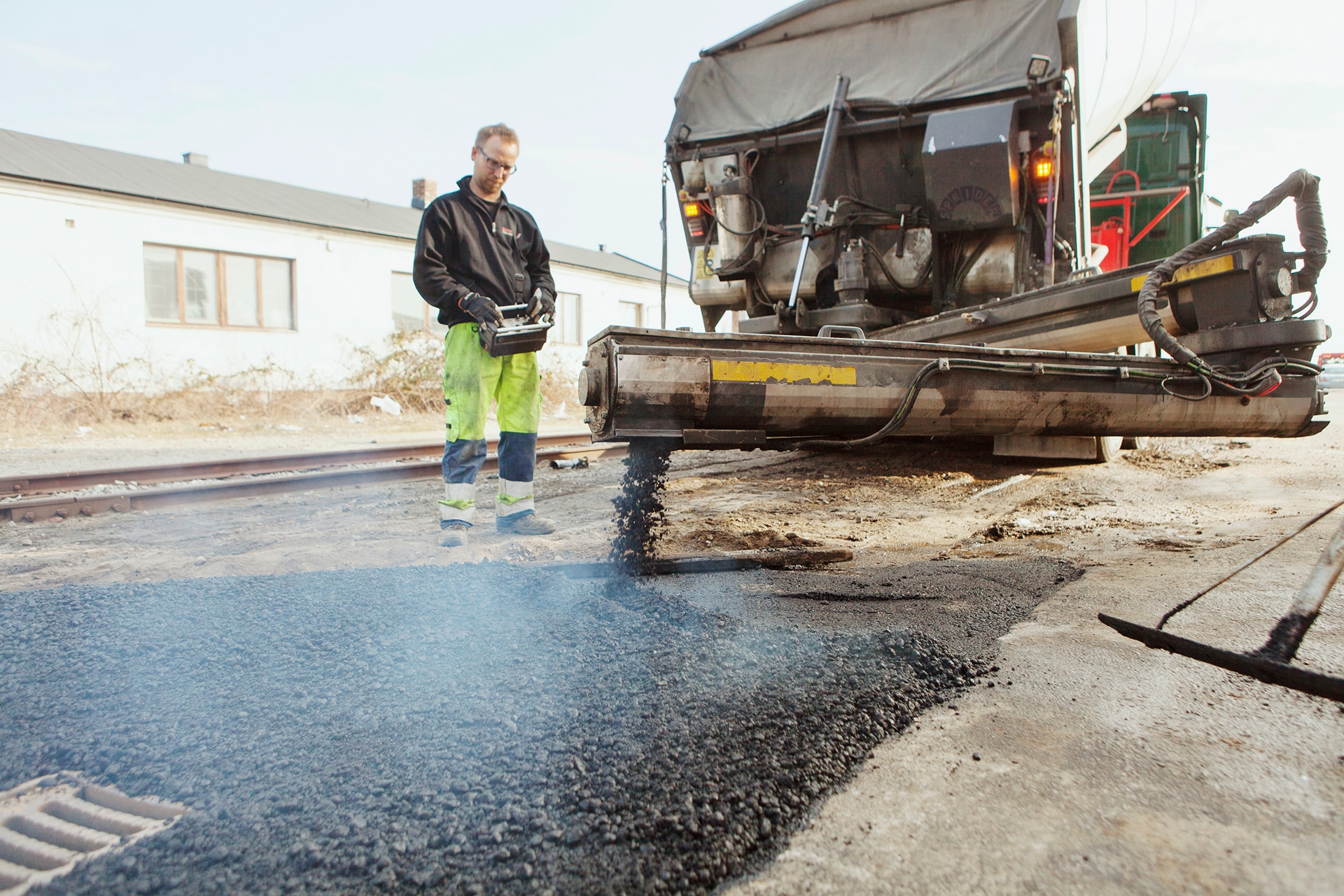
To minimise asphalt surface damage, it’s essential to implement protective strategies such as using ground mats or temporary coverings to distribute weight and reduce impact. Choosing the right tools and techniques—like profiling or cold-milling and saw cutting instead of jackhammering—can also help maintain clean edges and reduce cracking or spalling. Additionally, scheduling work during optimal weather conditions and conducting thorough pre-project inspections can prevent deeper sub-base deterioration. Investing in quality asphalt repairs and crack sealing post-project ensures the restored surface blends seamlessly and remains resilient to traffic and environmental stress.
Frequently Asked Questions (FAQ)
Minimising Surface Damage During Infrastructure Projects
1. Why is it important to minimise surface damage during infrastructure projects?
Minimising surface damage helps save time and cut repair costs, preserves the structural integrity of roads and pavements, and extends the longevity of surrounding infrastructure. Preventing unnecessary damage also improves safety and reduces the need for early or repeated maintenance.
2. What common strategies are used to protect asphalt surfaces during works?
Protective strategies include using ground mats or temporary coverings to spread weight and reduce impact from heavy equipment. These solutions help shield existing surfaces from rutting, cracking and other stress-related damage during construction or utility works.
3. What machinery or tools help reduce surface impacts?
Choosing the right tools and techniques plays a key role. For example:
Cold milling or profiling instead of jackhammering for edge work
Saw cutting for cleaner cuts and reduced cracking Such approaches help maintain cleaner edges and lessen shock to surrounding pavement layers.
4. Should work be scheduled at certain times to reduce damage?
Yes, planning your schedule around optimal weather conditions can make a significant difference. Weather affects surface and sub-base behaviour; for example, wet or extremely hot conditions can increase the risk of surface deterioration. Thorough pre-project site inspections also help you anticipate risks before work begins.
5. How can damage be reduced after construction is complete?
Post-project work like quality asphalt repairs and crack sealing ensures that restored surfaces blend seamlessly and are more resilient to traffic and environmental stress. Timely repair also prevents small faults from developing into major problems later on.
6. What role does drainage play in preventing surface damage?
Proper drainage keeps water away from the surface and sub-layers. Water sitting on or under pavement can weaken the structure, leading to potholes and cracking over time. Ensuring drainage is well maintained and correct systems are in place helps protect surfaces long term.
7. Can surface preparation techniques also prevent damage?
Absolutely. Thorough preparation, such as sweeping debris, hydroblasting to remove contaminants, and planning surfaces before overlay or repair, helps create a solid base and prevents abrasive particles from scratching or weakening the road surface.
8. What is the difference between temporary and permanent surface protection?
Temporary protection, like mats or coverings, safeguards the existing surface during work.
Permanent measures, like resurfacing or sealing treatments, become part of the finished pavement and provide ongoing protection against wear, water ingress, and traffic loads.
9. When should a professional site assessment be done?
A site assessment should be done before any major works to identify potential risks and plan protective strategies effectively. Professionals can advise on machinery choices, surface protection materials and timing to reduce damage throughout the project.
10. Can investing in surface protection save money long term?
Yes, by preventing early deterioration and cutting down the frequency of repairs, good surface protection saves money over the life of the asset. Well-planned safeguards reduce downtime, repair costs, and the need for premature resurfacing.
“At Roadsafe Asphalt, we assess every site before recommending a solution — and we’re happy to walk you through the options based on your specific needs.”
Elias Mantinaos
Director of Roadsafe Asphalt
Need Advice or a Site Assessment?
Whether you’re resurfacing a car park, upgrading a shopping strip, or maintaining a council road, we can help you make the right call. Talk to one of our asphalt specialists with your project details.