On most asphalt jobs that go wrong, the asphalt itself is rarely the problem. The mix turns up to spec, the crew knows how to lay it, and the rollers do their work. What lets the job down is what happens before any new material goes on: a surface that wasn’t cleaned properly, an edge that was hacked out instead of cut, or a machine that couldn’t physically reach the part of the road that mattered. The durability of any repair depends on correctly evaluating the existing pavement and matching the treatment to it.
For councils, civil contractors, utility providers and asset managers across Melbourne and regional Victoria, the difference between a patch that lasts and one that fails inside a season usually comes down to surface preparation and having the right machine, with the right operator, on site.
That is the work a bobcat with broom and milling attachments is built for: it sits between the large plant and the hand tools, and on tight urban jobs it often does the work that decides whether the whole patch holds.
Why the Bobcat Is Central to Surface Preparation on Asphalt Projects
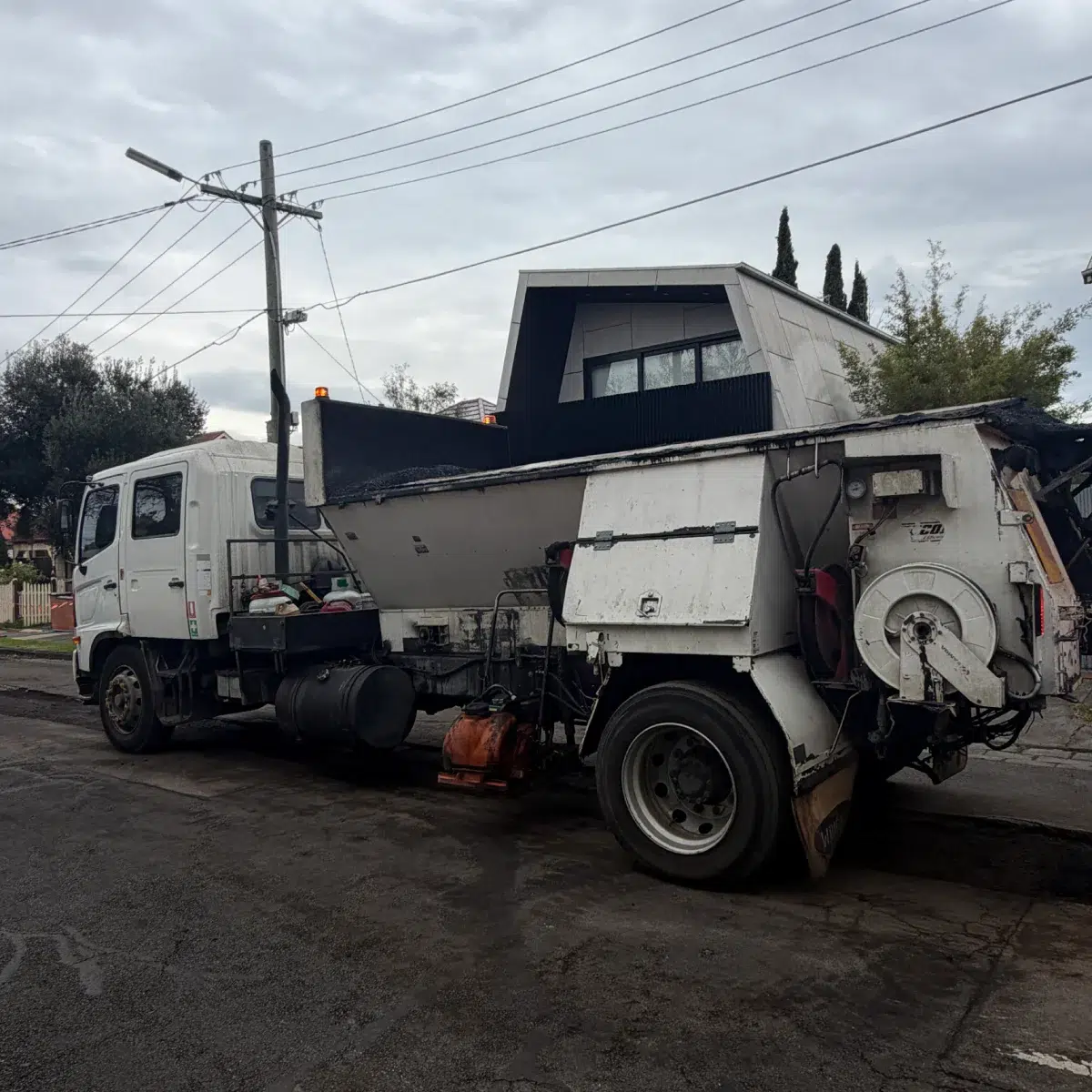
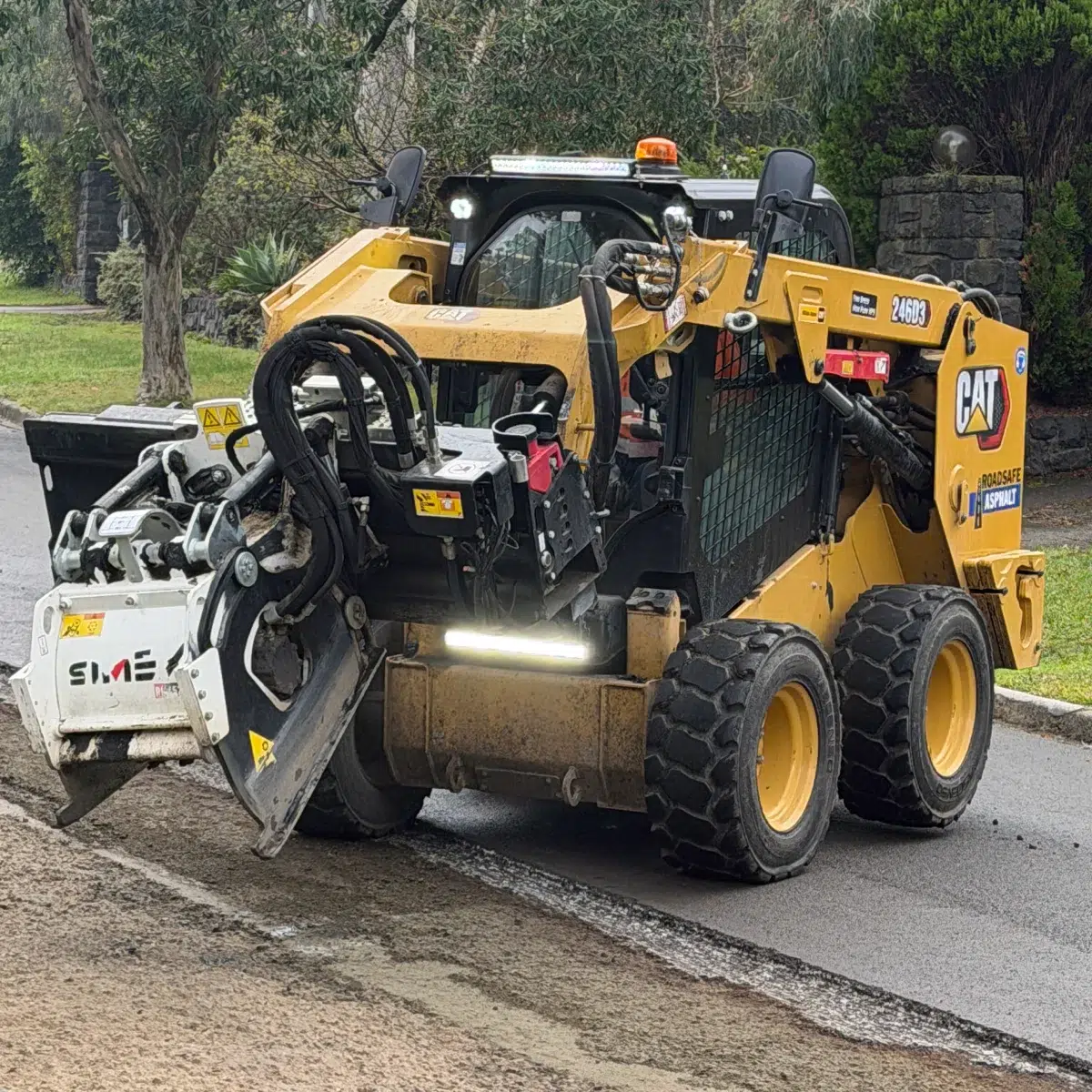
A bobcat is the utility player on an asphalt crew, and on patching and reinstatement work it is often the machine that decides whether the surface is properly prepared before new material goes down. It cleans up the piles a paver leaves behind, feeds fresh mix into spaces too tight for a truck, and spreads cold mix or hot asphalt to the exact level the crew is chasing. Swap the bucket for a profiler head and it cuts; swap that for a broom and it sweeps. In the hands of a good operator, the same machine can prepare a surface, place material and clean up after the job in a single visit.
Joe Casser, Bobcat Profiler Operator at Roadsafe Asphalt, describes the machine as the one that makes everyone else’s job easier. With a profiler, broom and bucket between them, he says, “it handles both filling and profiling to make the ground crew’s job much easier.” On a live site that means clearing the small, awkward tasks that would otherwise slow a paving crew down or push them onto shovels and rakes. A patch carries the same quality requirements as a large job, and the bobcat lets a crew meet them without bringing in plant that is too big for the space.
When and Where Bobcat Hire Is Used in Asphalt and Civil Works
The clearest signal that a job calls for a bobcat rather than larger plant is access. If the work sits in a space a one or two-metre profiler can’t reach or reverse into, the bobcat becomes the only practical option for controlled removal. In practice that covers a wide span of asphalt and civil work: council pothole programs spread thin across a road network, utility pit and trench reinstatement around steel infrastructure, end-of-run chasing where a correction is needed at the tail of a paving run, crack sealing preparation and line marking removal, and car parks, footpaths and laneways too confined to justify large plant.
The maintenance-program work is where the machine earns its keep across a network rather than a single site. Department of Transport and Planning and council patching and maintenance programs spread the work thin, a pothole here, a failed patch two streets over, and a bobcat can move between jobs without a float for every relocation. The constrained urban setting these programs live in, kerb lines, parked cars, street furniture and steel in the road, is exactly what a profiler or paver has to work around and a bobcat can work through. As Joe puts it, the cutting and chasing at the end of a run is routine bobcat work, the precise, smaller-scale removal a larger profiler is not designed to do well.
Bobcat Milling Attachments for Asphalt Removal
The milling attachment, a cold-milling head often called a profiler, lets a bobcat cut failed asphalt out to a controlled depth. In Joe’s experience, most patching sits in the 30 to 50 millimetre range, with smaller machines reaching a maximum of around 150 millimetres in a single pass. The cut depth is matched to the pavement layer being replaced rather than fixed, which is the point of using a machine that can hold a set depth.
Controlled depth is what separates a good patch from one that fails early. Milling to a set depth produces clean vertical edges, and clean edges are what the new asphalt bonds to. The alternative, breaking out failed material with a jackhammer, leaves ragged edges and risks damaging sound pavement around the repair. Cutting chases by cold planing to match levels into existing pavement is the specified method for exactly this work.
It is worth being honest about the limits of the attachment, because that is part of using it well. The mill cuts solid asphalt cleanly, but deep cuts into rock are slow and hard on the machine, as Joe notes from experience. Knowing where the attachment is the right tool, and where it isn’t, is part of what an experienced operator brings to the hire.
Broom Attachments for Surface Preparation and Cleaning
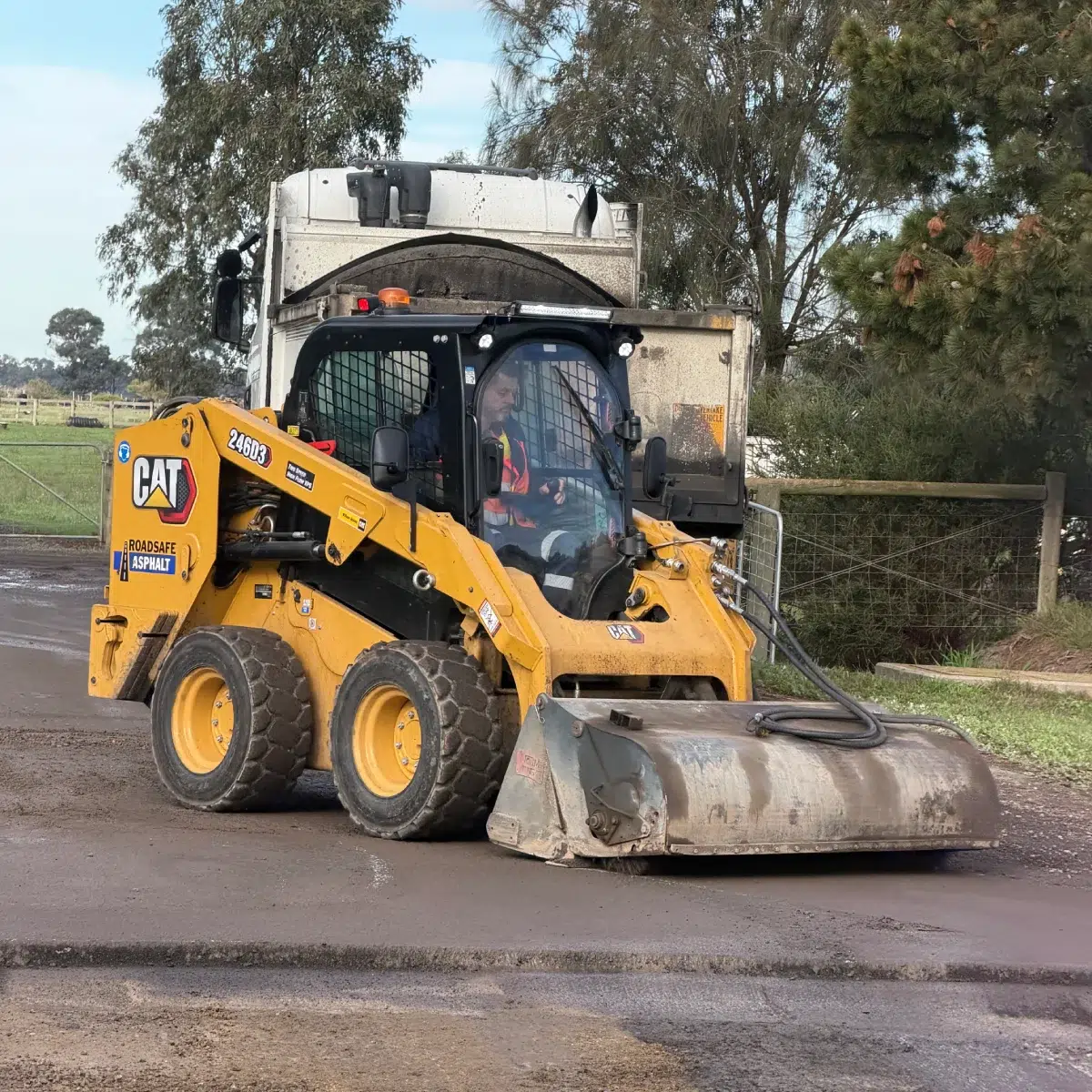
Surface cleanliness is a critical and frequently underestimated factor in pavement life. Before any tack coat or new asphalt goes on, the surface has to be swept clear of dust, loose aggregate and debris. If it isn’t, the new layer bonds to the dirt rather than the pavement, and the patch starts lifting and cracking long before it should. Sweeping the surface free of dust and foreign material is a recognised condition of proper bonding for asphalt and sprayed bituminous work, not a matter of preference.
Joe is blunt about how often this is the failure point: “the most frequent mistake is poor cleaning and leaving debris on the surface, which ruins the bond.” The fix is straightforward but easy to skip under time pressure: sweep the area properly with a bobcat broom or suction sweeper before the tack coat goes on.
The relevant specifications say the same thing, requiring all loose and deleterious material to be removed before tack coating and placement. The same discipline applies to crack sealing and line marking removal, where a clean, sound surface is the precondition for a compliant result.
The broom also does a job that has nothing to do with bonding and everything to do with public safety: clearing the finished site of loose stone before the crew leaves. On a live road, leaving a site tidy isn’t housekeeping; it is part of the job.
Bobcat vs Profiler: Which Is Right for Your Project?
This is the question that decides the plant on a lot of jobs, and the honest answer is that it depends on access and detail, not on size alone. A large profiler covers ground quickly and is the right machine for long, open runs. A bobcat wins wherever the work is tight, detailed or sitting around an obstacle.
The clearest example is a steel utility pit set into the road. A large one or two-metre profiler can’t cut right up to the pit; it has to lift over it, and that gap of uncut asphalt still has to be dealt with. That is where the bobcat comes in. As Joe describes it, “large profilers must ‘jump’ over them, leaving a 300 mm gap around the pit. The bobcat is used to precisely cut around those pits and clean up what the big machine missed.”
So the two machines aren’t really competitors. On a typical reinstatement, the profiler does the volume and the bobcat does the detail it had to skip. For larger open milling, Roadsafe Asphalt’s 1m and 2m profilers are the right starting point; for the tight work around it, the bobcat is.
The Roadsafe Asphalt Approach to Patching and Surface Preparation
Bobcat hire at Roadsafe Asphalt isn’t a machine dropped at the gate. It is part of a structured way of delivering a patch from first inspection to final sweep.
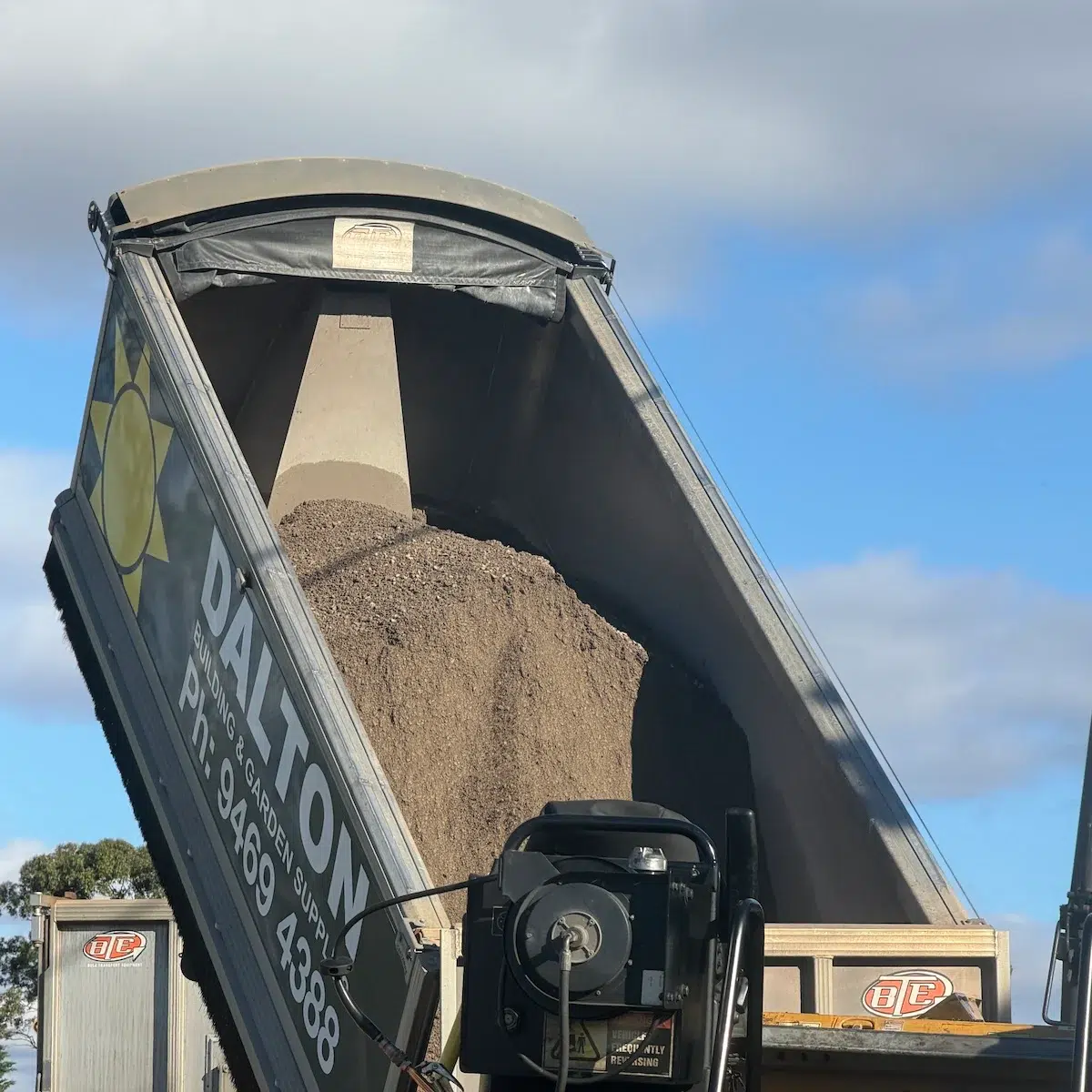
It starts with a site assessment of access constraints, pavement condition, traffic management needs and the real scope of the work, which on a live site is not always what the plan says. Failed asphalt is then milled out to a set depth, leaving clean edges and a stable base. The broom clears the dust and debris, and what happens next depends on the base: crushed rock is compacted with a steel drum roller; existing asphalt is swept, cleaned and sprayed with a tack coat so the new layer keys into the old one. Proper preparation is what ensures the new asphalt bonds correctly to the layer underneath. Get the base wrong and the asphalt above it will fail regardless of how well it was laid. It is the least visible part of the job and the one most often rushed.
From there the asphalt crew lays and compacts the material to the specified density, and crack sealing and line marking are reinstated where the scope calls for it. The work doesn’t end when the cutting and laying are done. A site is often messy when the operator first arrives, and once the cutting and levelling are complete the operator focuses heavily on the clean-up, sweeping the site clear of loose stones and residue so passing cars don’t sustain tyre or windscreen damage. The goal is always to leave the site as tidy as possible.
Roadsafe Asphalt’s Wet Hire Difference: Delivering More Than Just Bobcat Hire Across Victoria
Every bobcat Roadsafe Asphalt puts on site comes with an experienced operator. This is wet hire, and on precision asphalt work it is the difference between a machine and a result.
The gap between operators is wider than most people outside the trade expect. As Joe puts it: “There is a massive difference between a true operator and a ‘steer assistant.’ An experienced operator tunes into the machine, feels how it tilts, and maximises its full capacity to achieve the best possible finish. A skilled operator is a perfectionist who proactively sets up the site levels to make the ground crew’s job effortless.”
That judgement shows up most in the work the crew behind never sees. When the levels are set right, the ground crew arrives to a surface that is already true and lays the asphalt without fighting the grade. The machine is identical on a dry hire; what the client is really hiring is the operator’s judgement. On patching to depth, cutting cleanly around a pit, or matching levels into an existing surface, the cost of an inexperienced operator isn’t visible on the day. The damage surfaces months later as an edge that lifted or a patch that held water.
The Most Common Asphalt Patching Mistakes and How to Avoid Them
Most patching failures trace back to a small number of avoidable mistakes, and almost all of them happen before the asphalt is laid.
The first is poor cleaning, leaving debris on the surface so the new material never bonds properly. The second is failing to cut the edges of a patch cleanly, leaving them ragged instead of straight and square. Both are fixed by the mill-and-broom sequence above, and both are far more common than they should be.
The third mistake is less about equipment and more about how a job is run. Joe makes a point experienced project managers already know: a lot of decisions get made from the plan rather than from the site. “90% of the time,” he says, “what is on paper does not work perfectly in the field.” The project managers who get the best outcomes are the ones who listen to the foreman or the bobcat operator about what will and won’t work on the ground. The plan sets the intent; the operator reads the conditions. Treating those as a conversation rather than a hierarchy is what keeps a patching program moving.
Why Choose Roadsafe Asphalt for Bobcat Hire in Melbourne
With nearly 20 years of operation across Melbourne and regional Victoria, Roadsafe Asphalt works with councils, contractors and asset owners to deliver reliable, compliant asphalt and civil outcomes. Bobcat hire is backed by over 45 major fleet and plant equipment including bobcats, profilers, pavers and rollers; experienced wet-hire operators trained in asphalt and civil works; regularly serviced, compliant equipment; safety systems including Safe Work Method Statement (SWMS) and permits; and prequalification to Department of Transport and Planning standards.
Behind that fleet is the part that actually determines the finish: our experience. Many of Roadsafe Asphalt’s customers have stayed with the business for more than 15 years, across hundreds of successful projects throughout Victoria. That work spans local councils, major contractors, utilities and transport providers, across rail, civil and utility infrastructure.
Each of these matters for a different reason. The fleet size means a machine is available when a maintenance program needs it. The operator experience is what determines the finish, as the work around utility pits and on uneven ground makes clear. The compliance and prequalification let a council or principal contractor put Roadsafe Asphalt on a job without taking on the administrative and safety burden themselves. On infrastructure work those things are assessed together, and a hire arrangement that covers all of them is what keeps a program moving rather than stalling on paperwork or plant availability.
Lasting Asphalt Repairs Start with the Right Surface Preparation
A bobcat with broom and milling attachments does the work that decides whether a patch holds: the tight-access cutting, the clean surface preparation, and the level, well-set finish that comes from an experienced operator rather than a machine on its own. On council maintenance programs, utility reinstatements and constrained urban patches, it is often the difference between a repair that lasts and one that fails inside a season.
Whether it is a council patching program, a utility reinstatement or a tight urban repair, the right bobcat and an experienced operator are what make a patch last. Get a fast quote for your next Bobcat hire project, or speak with a Roadsafe Asphalt specialist about the surface preparation behind your project.
Frequently Asked Questions (FAQs)
What is a bobcat used for in asphalt works?
Cleaning up material left by the paver, feeding and spreading mix into tight spaces, milling out failed asphalt for patches, and sweeping surfaces before and after the work. With broom and mill attachments it covers both surface preparation and clean-up on the same visit.
Does Roadsafe Asphalt’s bobcat hire include an operator?
Yes. Roadsafe Asphalt operates on a wet hire model, so an experienced operator comes with every machine. On precision asphalt work the operator’s read of the site is a large part of what determines whether the finished patch holds.
How deep can a bobcat mill attachment cut?
For most patching, 30 to 50 millimetres, with smaller machines reaching a maximum of around 150 millimetres in a pass. The mill cuts solid asphalt cleanly, though deep cuts into rock are slow and hard on the machine.
Can a bobcat be used for line marking removal and crack sealing preparation?
Yes. The broom cleans surfaces ahead of line marking and crack sealing, and the mill can remove failed surface material where needed.
Bobcat or profiler: which do I need?
A profiler suits long, open runs; a bobcat suits tight, detailed work and cutting around obstacles like utility pits. On many jobs both are used together.
Is bobcat hire suitable for council and car park projects?
Yes, particularly council maintenance programs, footpaths, car parks and utility reinstatements in constrained urban areas where larger plant can’t work efficiently.