| Blog | What’s the Difference Between Overlay and Re-sheeting?
Posted on
|
Read Time – hello from the saved content!
What’s the Difference Between Overlay and Re-sheeting?
What is an Asphalt Overlay?
An asphalt overlay is a fresh layer of asphalt that’s placed directly over the existing surface. It’s typically used when the underlying structure is still sound, but the top layer has worn down or developed surface-level damage (like minor cracking or oxidation).
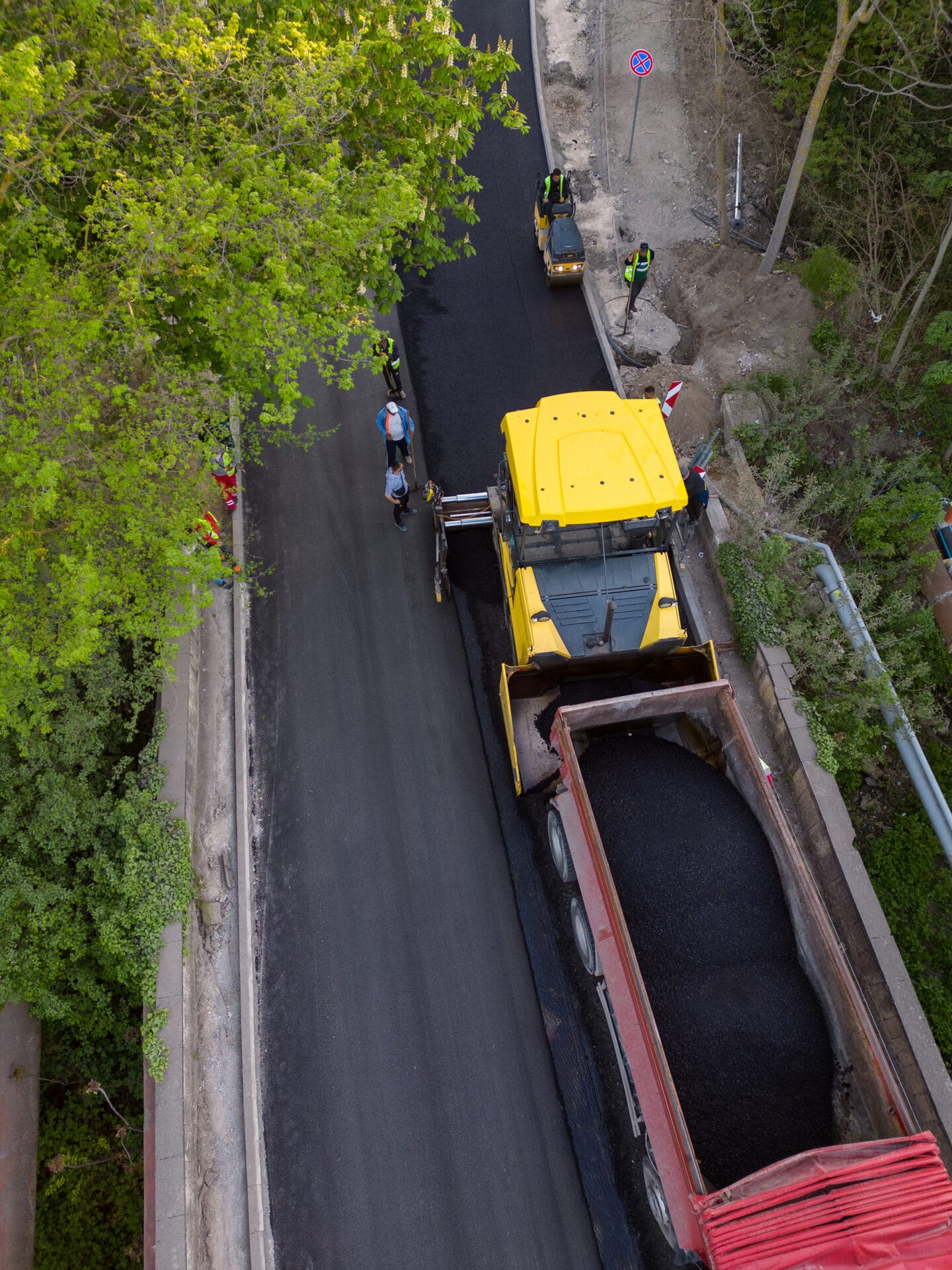
Aerial view of new street and parking construction site.
Key features of an overlay:
Usually 30–50mm of new asphalt
Surface is cleaned and may be tack-coated for adhesion
Cost-effective and quick to install
Extends surface life without full-depth removal
Best used for:
Car parks and roads with cosmetic wear or minor surface issues
Budgets that require a short- to mid-term solution
Areas that don’t need major structural work
What is Re-sheeting?
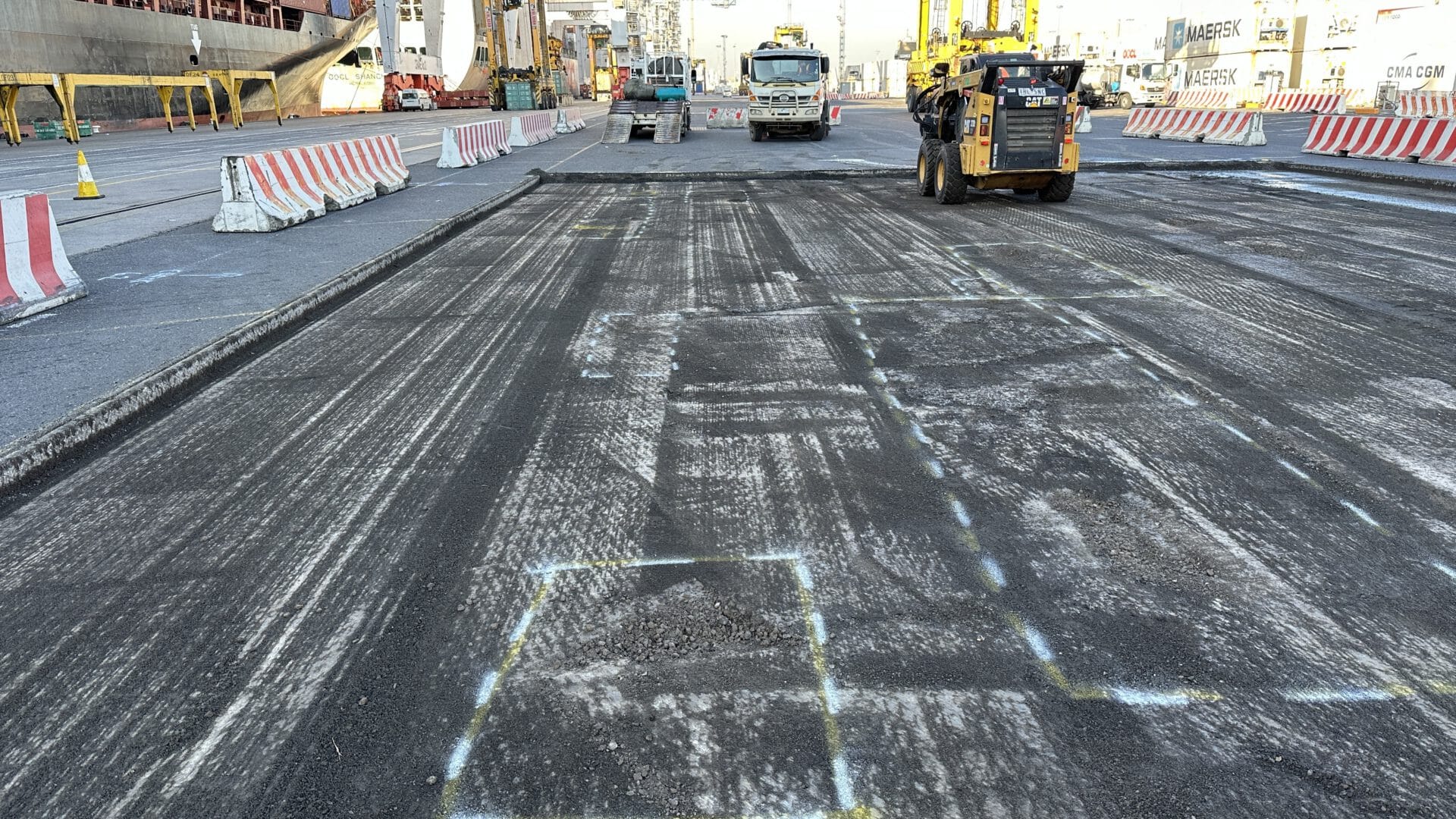
Re-sheeting involves milling or removing the top layer of the existing asphalt before applying a new one. This allows for better surface levelling, compaction, and bonding, and is often used when the old surface has started to deteriorate more significantly.
empty asphalt road in downtown of modern city during daytime. copy space for parking lot.
Key features of an overlay:
Removal of worn asphalt using a road profiler
Application of a new asphalt layer (same depth as overlay, or more if needed)
Smoother transitions at kerbs, driveways and utilities
Improves structural integrity and surface drainage
Best used for:
Heavily worn or uneven surfaces
Roads with potholes, deformation, or poor drainage
Projects that need longer-lasting results
Which one do you need?
The right approach depends on the condition of the existing surface and the long-term goals of your project.
Overlay is ideal if the base is stable and you just need a fresh, clean finish.
Re-sheeting is better when there are level issues, structural wear, or drainage concerns.
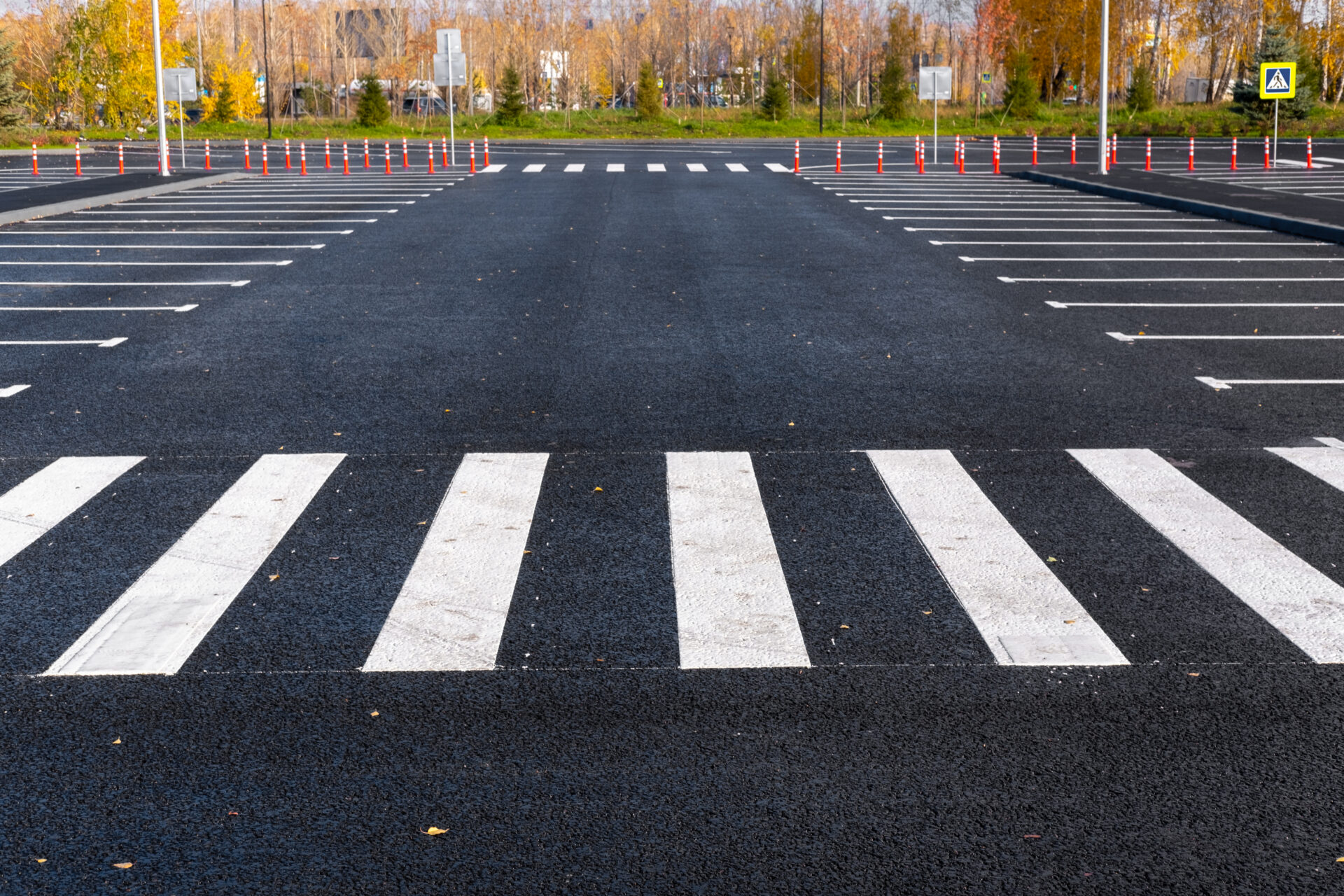
The white and yellow lines of the pedestrian crossing at the intersection of roads in the city. Road safety. Zebra road markings, crossing point of the road, traffic rules
Frequently Asked Questions (FAQs)
What is the difference between asphalt overlay and asphalt resheeting?
The main difference between asphalt overlay and asphalt resheeting is the depth of work involved. An asphalt overlay places a new asphalt layer over the existing surface to improve appearance and performance. Asphalt resheeting removes the old asphalt layer and replaces it with a completely new one, making it suitable for roads or car parks with deeper structural damage.
When should you choose asphalt overlay instead of resheeting?
Asphalt overlay is ideal when the underlying pavement structure is still stable but the surface has minor cracking, oxidation or wear. It provides a cost-effective way to extend pavement life without full reconstruction. Contractors often choose overlays for roads, car parks and driveways where structural damage is limited.
Is asphalt overlay cheaper than asphalt resheeting?
Yes. Asphalt overlay is generally more cost-effective than resheeting because it requires less material, labour and preparation. However, overlays are only suitable when the base pavement is structurally sound. If the base is damaged, asphalt resheeting may provide better long-term value by preventing repeated repairs.
How long does asphalt overlay last compared to resheeting?
The lifespan of an asphalt overlay typically ranges from 10 to 15 years depending on traffic loads, drainage and maintenance. Asphalt resheeting can last longer because the deteriorated asphalt layer is fully replaced. Proper installation and maintenance are key factors that determine pavement life.
What are the key risks of choosing asphalt overlay over resheeting?
The main risk of selecting asphalt overlay is masking underlying structural issues, which can lead to premature failure such as reflective cracking or rutting. For councils and contractors, this can increase maintenance costs and impact service levels. Proper pavement assessment is critical before deciding between overlay and asphalt resheeting.
Can asphalt overlay be used for large-scale infrastructure and utility reinstatement works?
What preparation is required before an asphalt overlay?
Before installing an asphalt overlay, contractors typically clean the surface, repair cracks and potholes, and apply a tack coat to help the new asphalt bond to the existing layer. In some cases, profiling or milling is also used to create an even surface and maintain correct pavement levels.
Does asphalt resheeting involve removing the existing asphalt?
Yes. Asphalt resheeting involves removing the existing asphalt layer, usually through milling or profiling equipment. Once the deteriorated asphalt is removed, a new asphalt layer is installed to restore pavement strength and performance. This method is common for heavily trafficked roads and infrastructure assets.
Is asphalt overlay suitable for roads with heavy traffic?
Asphalt overlay can be used on roads with moderate to heavy traffic if the underlying pavement structure remains strong. However, for roads experiencing heavy vehicle loads or significant pavement fatigue, asphalt resheeting or structural rehabilitation may provide a more durable solution.
How can councils and contractors minimise risk when selecting an asphalt solution?
To minimise risk, councils and contractors should partner with an experienced provider who can assess pavement condition, recommend the appropriate solution and deliver compliant works. Roadsafe Asphalt supports government and infrastructure clients with asphalt paving, reinstatement and civil works, ensuring the right approach is selected for long-term performance and value.
“At Roadsafe Asphalt, we assess every site before recommending a solution — and we’re happy to walk you through the options based on your specific needs.”
Elias Mantinaos
Director of Roadsafe Asphalt
Need Advice or a Site Assessment?
Whether you’re resurfacing a car park, upgrading a shopping strip, or maintaining a council road, we can help you make the right call. Talk to one of our asphalt specialists with your project details.