Road line marking is a critical part of road infrastructure that often goes unnoticed until it fades or fails. Clear, well designed line marking improves safety, guides traffic movements, protects vulnerable road users and ensures compliance with road rules. In Victoria, road markings must comply with Austroads and Australian Standards, supported by VicRoads (Department of Transport and Planning) supplements. This article from Roadsafe Asphalt provides an in depth overview of road line marking including the different types of markings, materials and equipment used, typical VicRoads dimensions, and best-practice installation and maintenance.
What Is Road Line Marking?
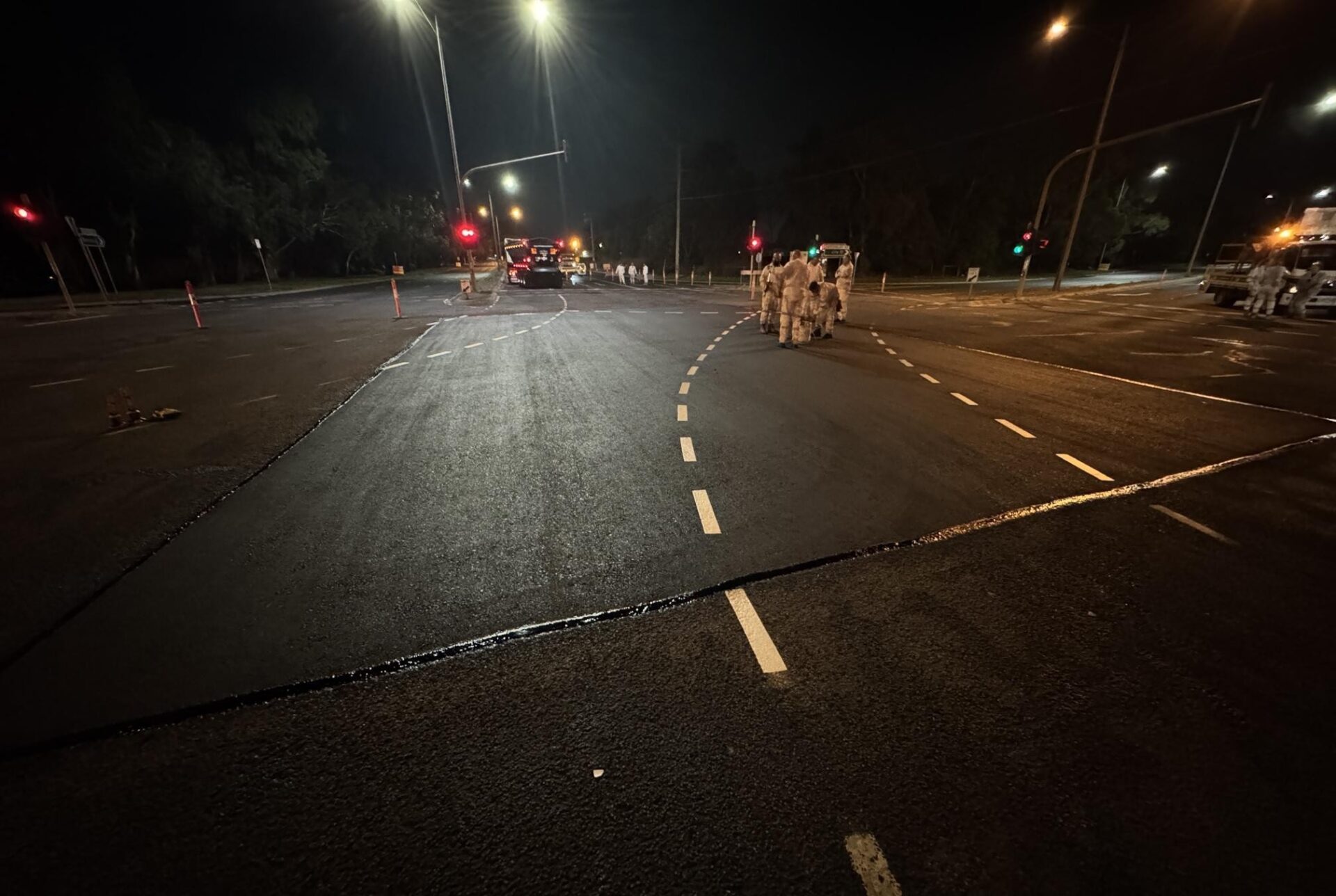
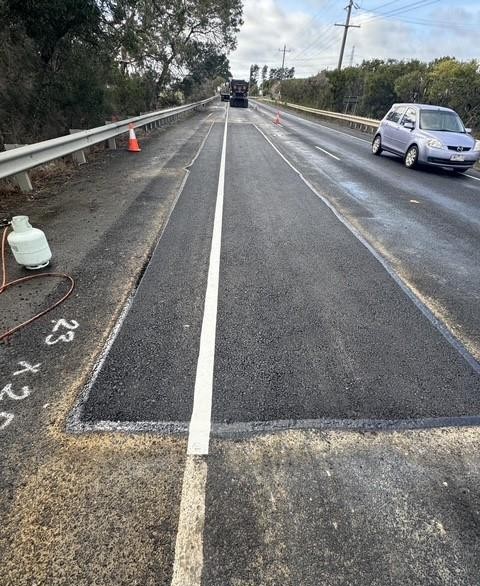
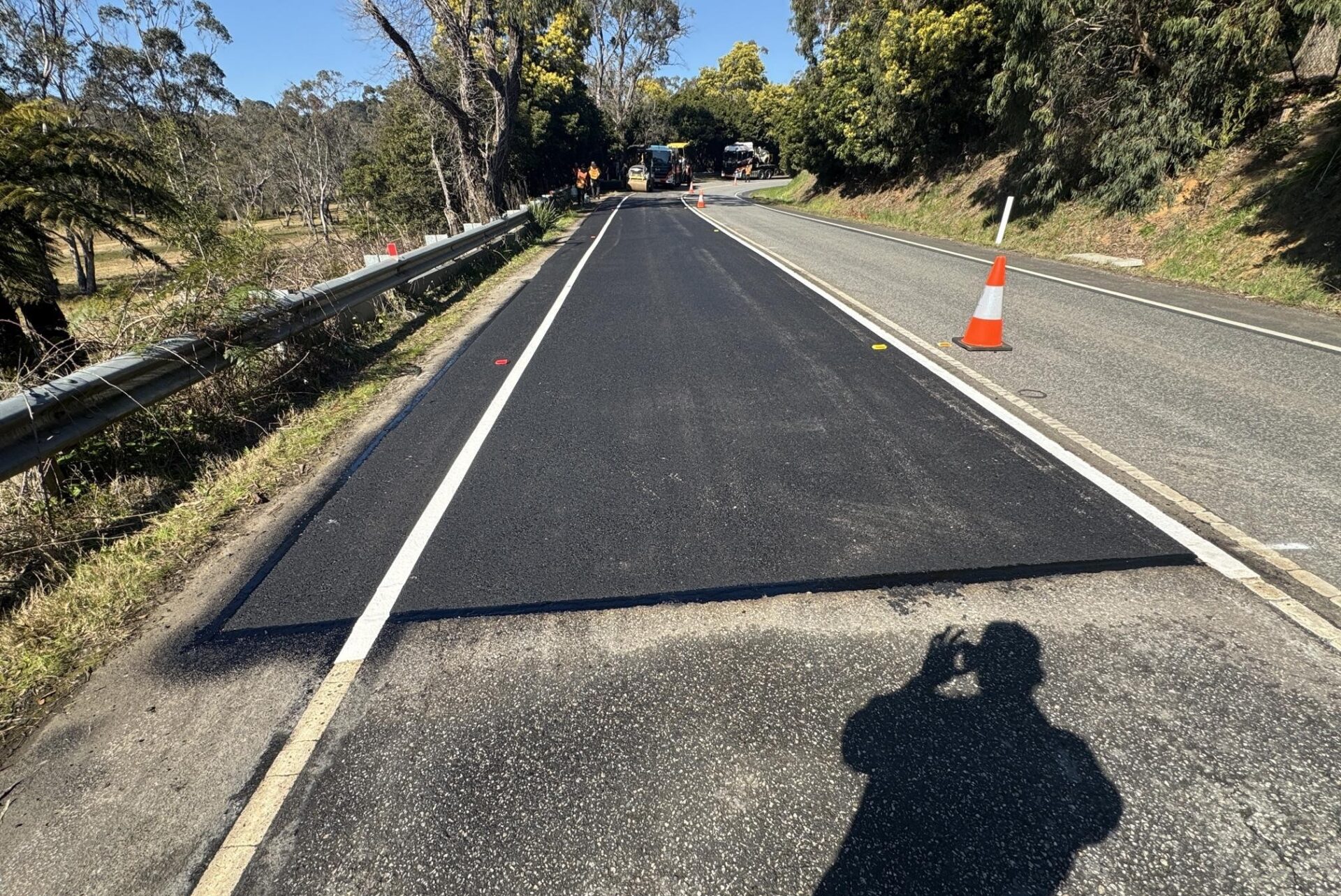
Road line marking refers to painted or applied lines, symbols, legends and coloured surfaces placed on pavements to communicate rules, warnings and guidance to road users. These markings are legally enforceable when installed in accordance with approved standards and are essential for traffic control, lane discipline and pedestrian and cyclist safety.
Types of Road Line Marking
1. Longitudinal Line Markings
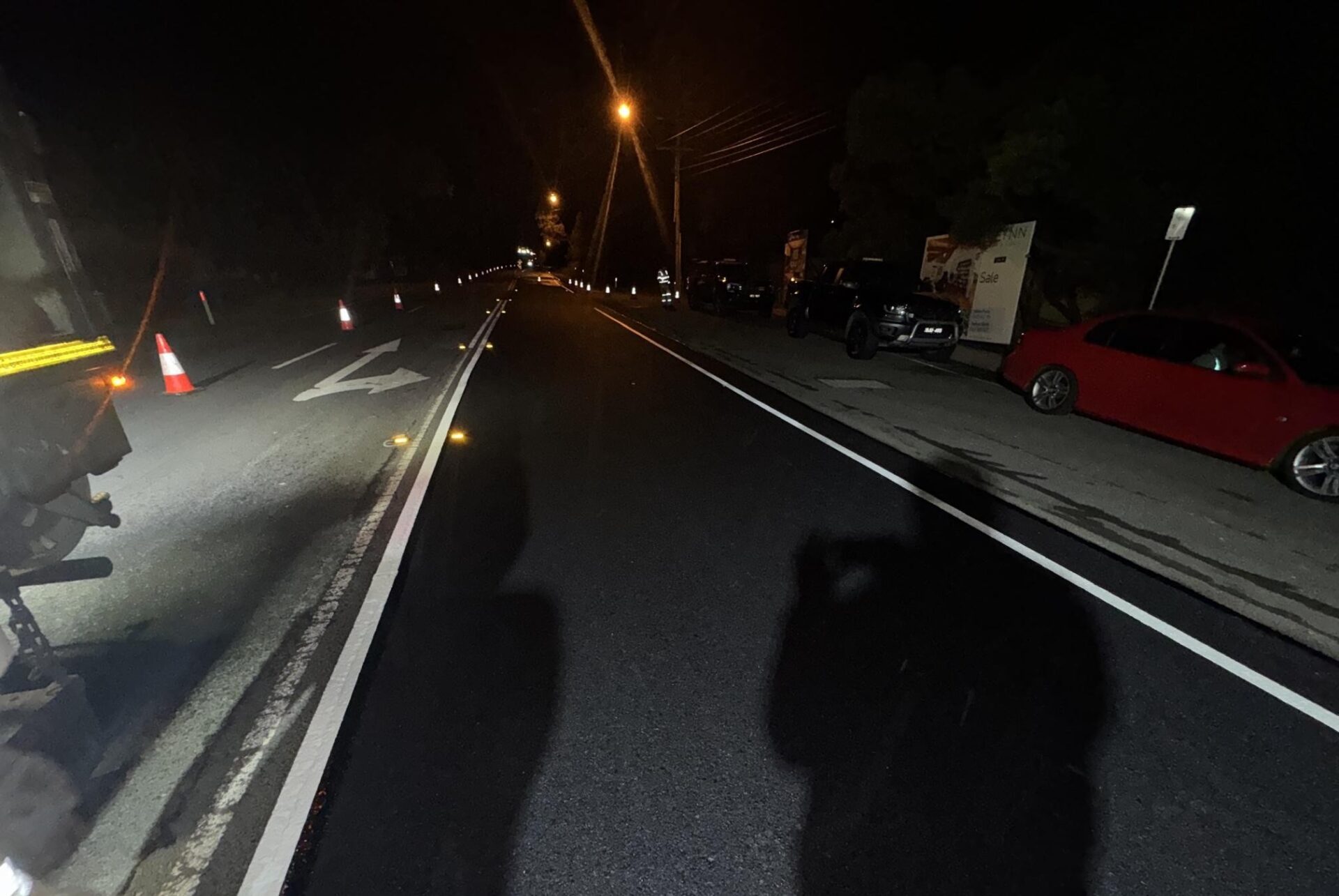
These run parallel to the direction of traffic and include:
- Lane lines (broken or continuous) separating traffic lanes
- Centre lines separating opposing traffic flows
- Edge lines defining the roadway boundary
- Barrier or double lines indicating no overtaking or lane changes
In Victoria, standard lane and edge lines are typically 100 – 150 mm wide, with wider barrier lines used where required.
2. Transverse Markings
Transverse markings run across traffic lanes and include:
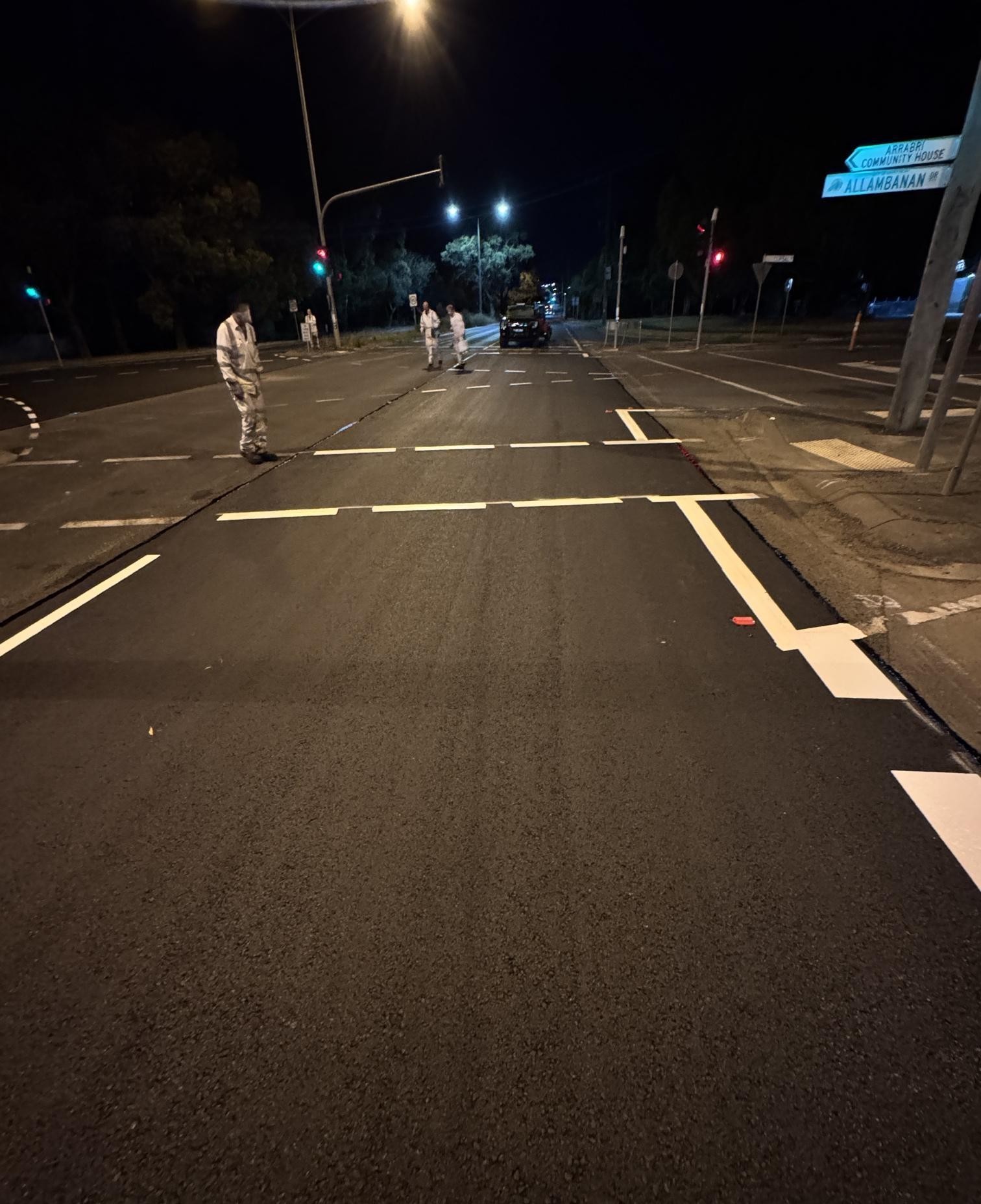
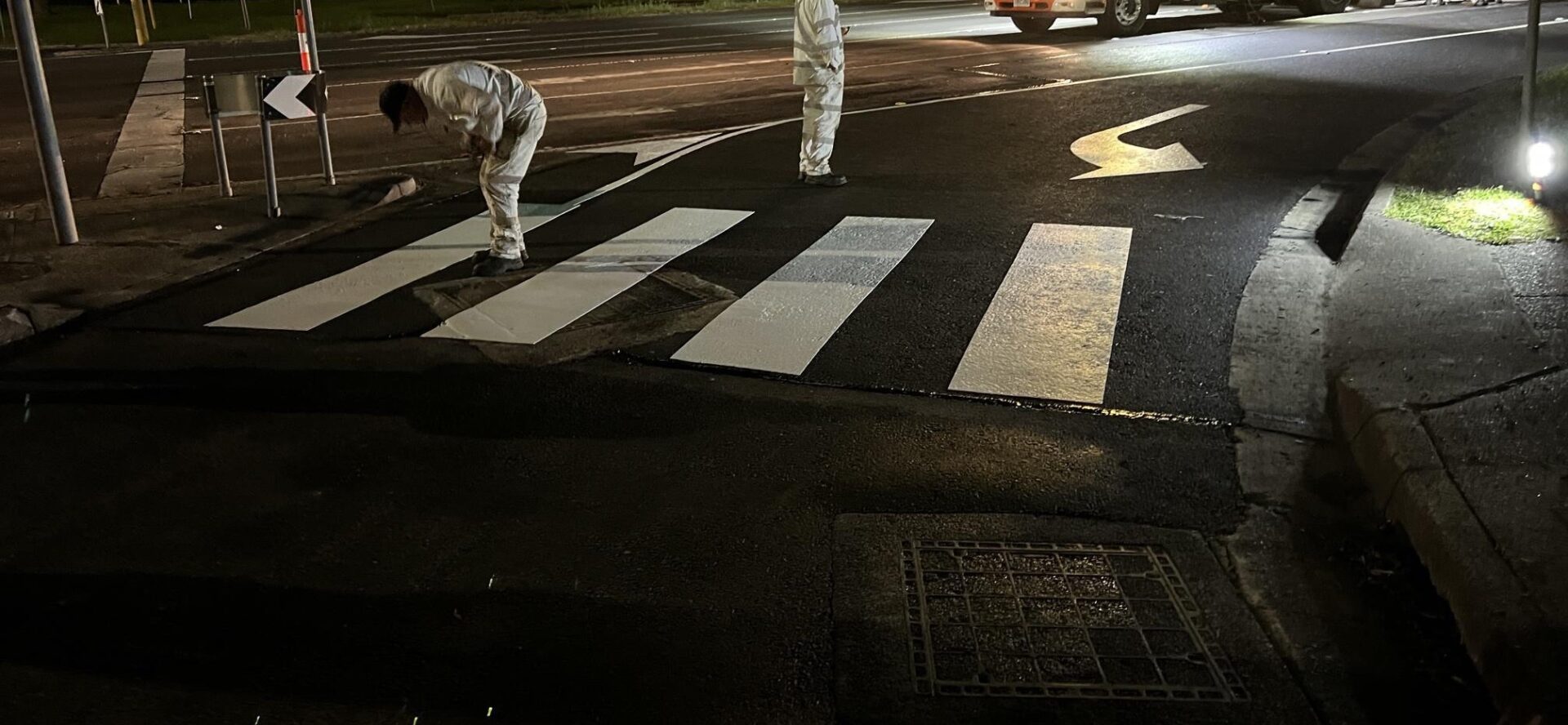
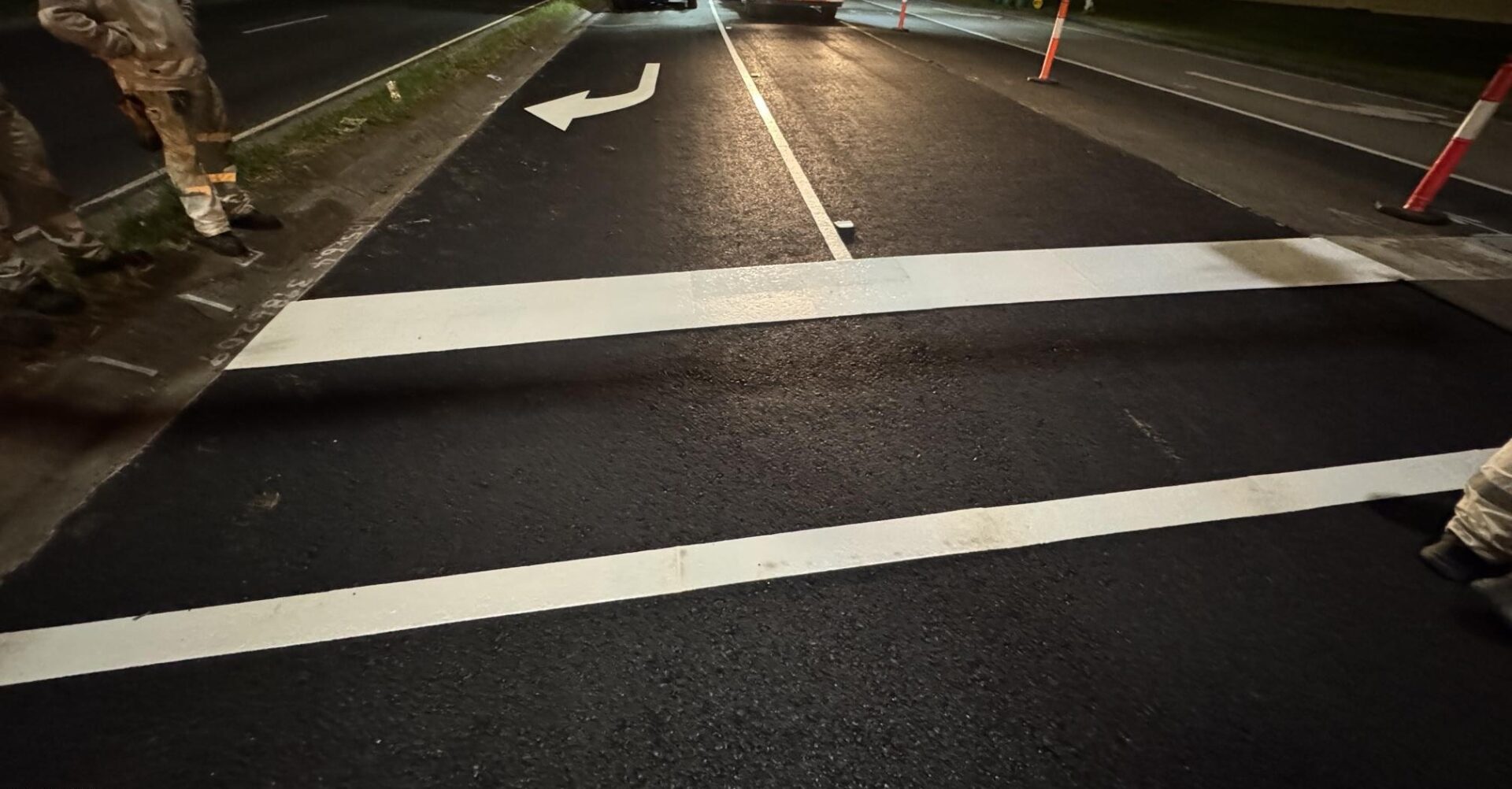
- Stop lines (stop bars) at traffic signals and STOP signs
- Give Way / yield lines
- Pedestrian crossing lines
Typical stop line widths are:
- 300 mm minimum
- 450 mm preferred at traffic signals
- 600 mm where approach speeds are high
These markings play a critical role in intersection safety and legal compliance.
3. Special Purpose Markings
1. Bicycle Lanes
Bicycle lanes are marked using:
- 100 mm wide white longitudinal lines
- Bicycle symbols and directional arrows
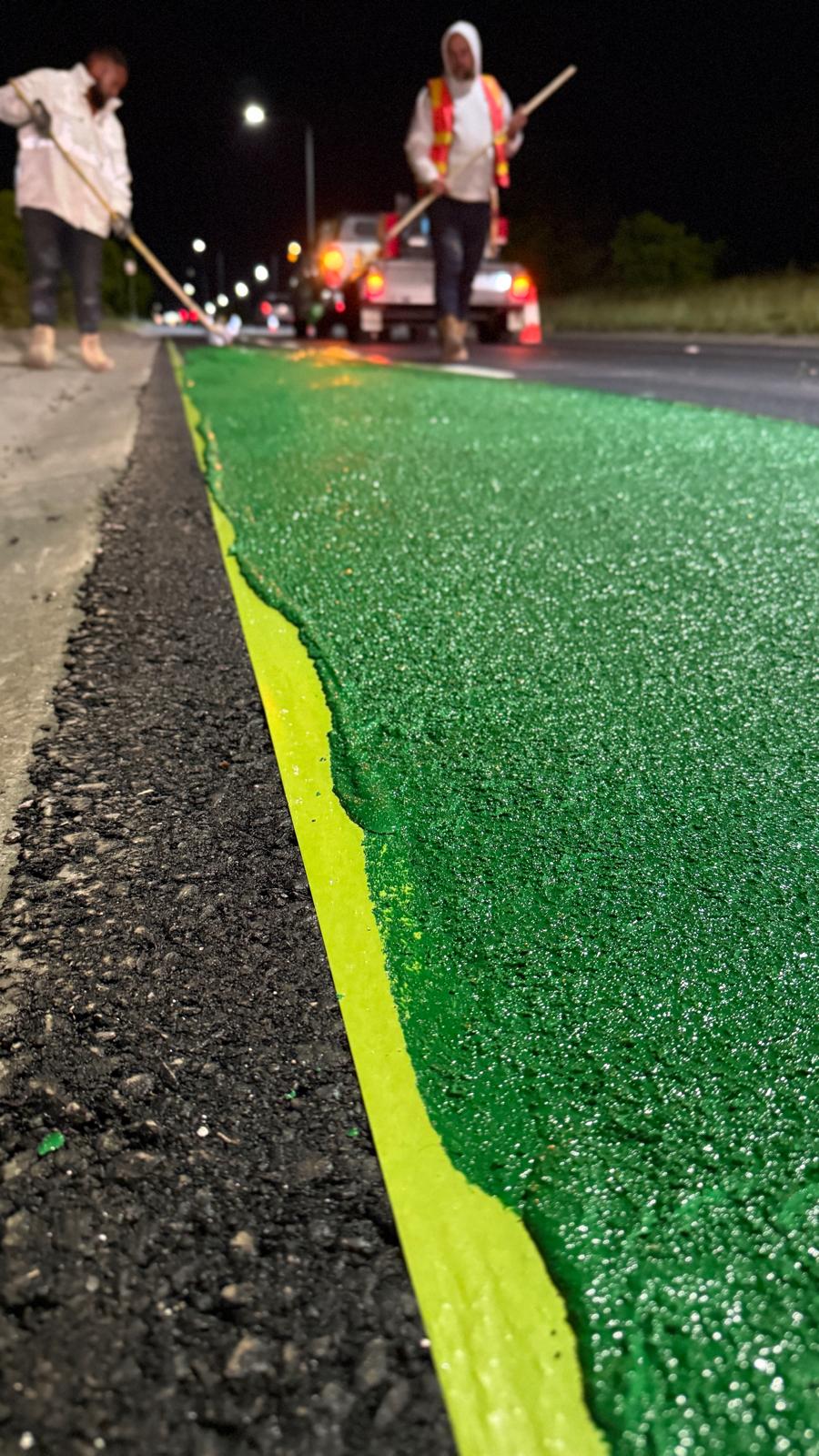
- Green coloured surfacing at conflict points such as intersections and driveways
Green colouring is used to improve driver awareness and cyclist safety and is increasingly common on urban roads.
2. Bus Lanes
Bus lanes are identified by:
- White longitudinal lines
- Red coloured pavement sections
- “BUS LANE” legends where required
Red surfacing improves compliance and visibility, especially during peak traffic periods.
3. Keep Clear Zones
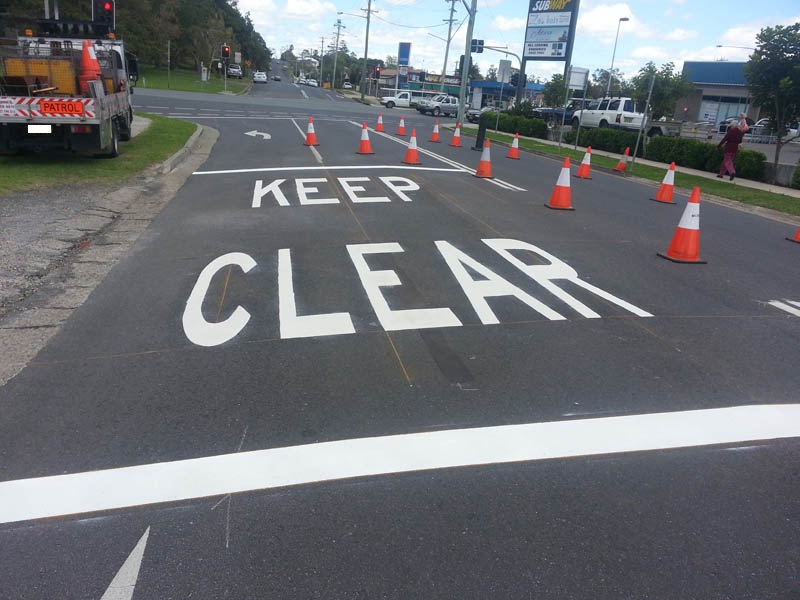
“KEEP CLEAR” markings are used to prevent vehicles stopping in critical areas such as intersections, access points and emergency routes. These are typically large boxed markings with clear lettering applied in durable materials.
4. Other Markings
Additional road markings include:
- Directional arrows and lane use arrows
- Chevron markings and painted traffic islands
- Speed limit markings
- Word legends such as “SLOW”, “ONLY”, or “BUS”
Line Marking Materials
Cold Applied Road PaintWater-based or solvent paints are commonly used for:
- Low traffic roads
- Temporary markings
- Car parks and local streets
They are cost-effective but have a shorter service life under heavy traffic.
1. Thermoplastic
Thermoplastic is the most widely used long life road marking material in Victoria.
- Applied hot using specialist equipment
- Highly durable
- Excellent night visibility when glass beads are added
- Ideal for intersections, bus lanes, stop bars and high traffic roads
2. Cold Plastic and MMA (Methyl Methacrylate)
Used where fast curing and high durability are required, such as:
- Bicycle lanes
- High-wear areas
- Urban intersections
3. Preformed Thermoplastic
Factory-made symbols and legends that are heat-bonded to the pavement. These are often used for:
- Bicycle symbols
- Text legends
- Complex markings requiring precision
For professional application and maintenance of these kinds of road markings, including specialised line marking and crack sealing services that help ensure visibility, compliance, and surface integrity over time, see Roadsafe Asphalt line marking and crack sealing services.
Line Marking Equipment and Machines
Modern line marking uses specialised equipment depending on the material and scale of the job:
- Truck mounted spray units for large arterial roads
- Thermoplastic kettle trucks or trailers for long life markings
- Walk behind line marking machines for smaller roads and car parks
- Hand held applicators for detail work and touch ups
- Glass bead dispensers to improve night reflectivity
- Grinding and removal machines for removing old or incorrect markings
- GPS guided and robotic marking systems for high precision projects
The choice of equipment directly affects accuracy, durability and compliance with standards. For projects that require both specialised line marking tools and broader plant support, including machinery on hire with experienced operators, consider Roadsafe Asphalt plant and equipment hire services to ensure you have the right machines matched to your job’s needs.
Installation Best Practice
Proper line marking is more than just painting lines. Best practice includes:
- Surface preparation – cleaning, drying and removing contaminants
- Accurate set-out – using survey control, string lines or GPS
- Correct material selection – based on traffic volume and road function
- Controlled application – consistent widths, thickness and bead rates
- Layer by layer quality control – ensuring markings meet tolerance limits
- Traffic management – maintaining safety during curing and reopening Incorrect preparation or rushed application often leads to premature failure.
Maintenance and Lifecycle Considerations
- Line markings degrade over time due to traffic wear, UV exposure and weather
- Thermoplastic markings typically last several years on busy roads
- Paint markings may require more frequent renewal
- Reflectivity should be monitored, especially on night-time routes
- Temporary markings should always be replaced once final pavement works are complete
Proactive maintenance reduces long term costs and safety risks.
Why Standards Matter?
In Victoria, road markings must comply with:
- Austroads Guides
- AS 1742 series (Manual of Uniform Traffic Control Devices)
- VicRoads / DTP supplements and specifications
Compliance ensures markings are:
- Legally enforceable
- Consistent for all road users
- Recognised and understood across the network
Conclusion
Road line marking is a vital component of safe, functional road infrastructure. From standard lane lines to bicycle lanes, bus lanes and keep clear zones, each marking has a defined purpose, material and specification. Using the correct equipment, materials and installation methods in line with VicRoads standards ensures durability, safety and compliance. Whether delivering new roads, resurfacing works or maintenance programs, investing in high quality line marking is an investment in public safety and asset longevity.

Frequently Asked Questions (FAQ)
Why is road line marking installed after asphalt works are completed?
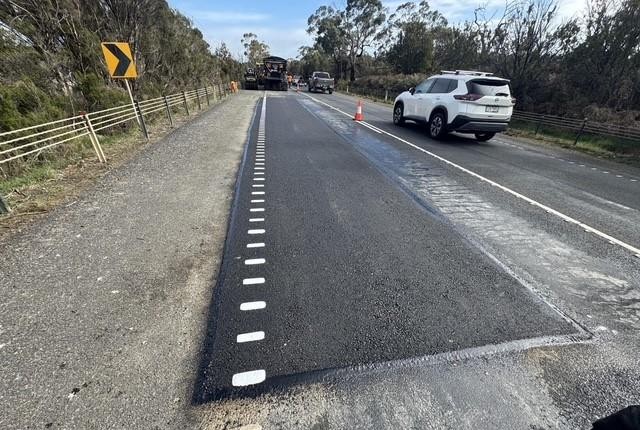
Line marking is installed after asphalt paving to ensure the pavement surface is finalised and stable. This improves adhesion, accuracy and durability of the markings.
How often do road markings need to be replaced?
Replacement frequency depends on traffic volume, material type and environmental conditions. High traffic roads may require more frequent renewal than local streets.
What is the most durable type of road line marking?
Thermoplastic is generally the most durable option for high traffic roads, intersections and stop lines. It offers long service life and good night visibility.
How wide are standard road lane markings in Victoria?
Most standard lane and edge lines are 100 millimetres wide, with wider markings used for stop lines, barrier lines and special applications.
Why are glass beads added to road markings?
Glass beads improve night time visibility by reflecting vehicle headlights back toward the driver. This is essential for safety, especially in wet or low light conditions.
Are coloured road markings required by standard?
Coloured markings such as green bicycle lanes and red bus lanes are specified in certain locations to improve visibility and compliance. Their use is guided by VicRoads and Austroads requirements.