| Blog | What’s Involved in Asphalt Reinstatement After Utility Works?
Posted on
|
Read Time – hello from the saved content!
What’s Involved in Asphalt Reinstatement After Utility Works?
What is an Asphalt reinstatement ?
The process of restoring road surfaces to a safe and durable condition after utility works, involving regulated steps such as traffic control, layer rebuilding, and compaction to match the original road standard.
1. Traffic Management and Site Preparation
Before any asphalt reinstatement work begins, the site must be made safe and properly assessed. Traffic control is put in place to protect workers and the public, whether it’s a quiet street or a busy road. This can involve:
Key features of an overlay:
Barriers, cones, and clear safety signage
Temporary traffic lights or lane closures
Diversion routes or full road closures
On-site qualified traffic controllersRemoval of worn asphalt using a road profiler
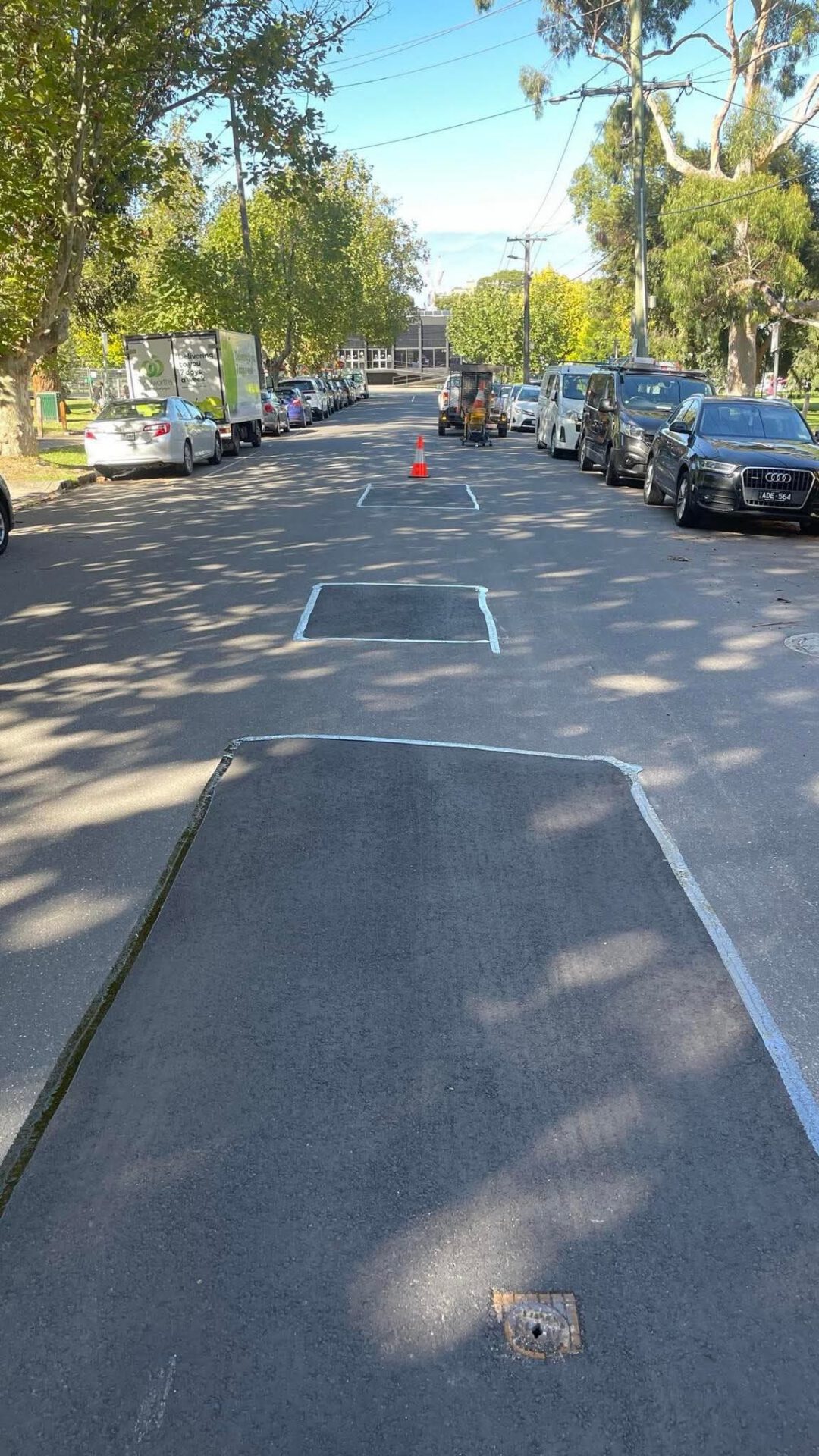
Once the area is secure, our team inspects the excavation. They assess the size and shape of the trench, the existing road structure, and any specifications required by council/ Department of Transport/Vicroads. The trench edges are trimmed clean, and any loose material is removed to prepare for a solid, long-lasting repair.
2. Rebuilding the Layers
The road structure is rebuilt from the bottom up.
A sub-base (usually crushed rock aggregate) is compacted to provide stability.
A base course (usually consisting of 20mm sized aggregate asphalt anywhere up to 100mm thickness, is laid and compacted,leaving ample space for the final layer. There can sometimes be anywhere between 1-3 base layers depending on the
A tack coat (bitumen emulsion) is applied to help the asphalt bond to the base layer and edges of the existing road.
The wearing course or final layer of asphalt is installed, matching the surrounding road in:
Material type -can vary in aggregate size depending on governing authority of roadway.
Thickness – usually 40 – 50mm thick
Level and finish
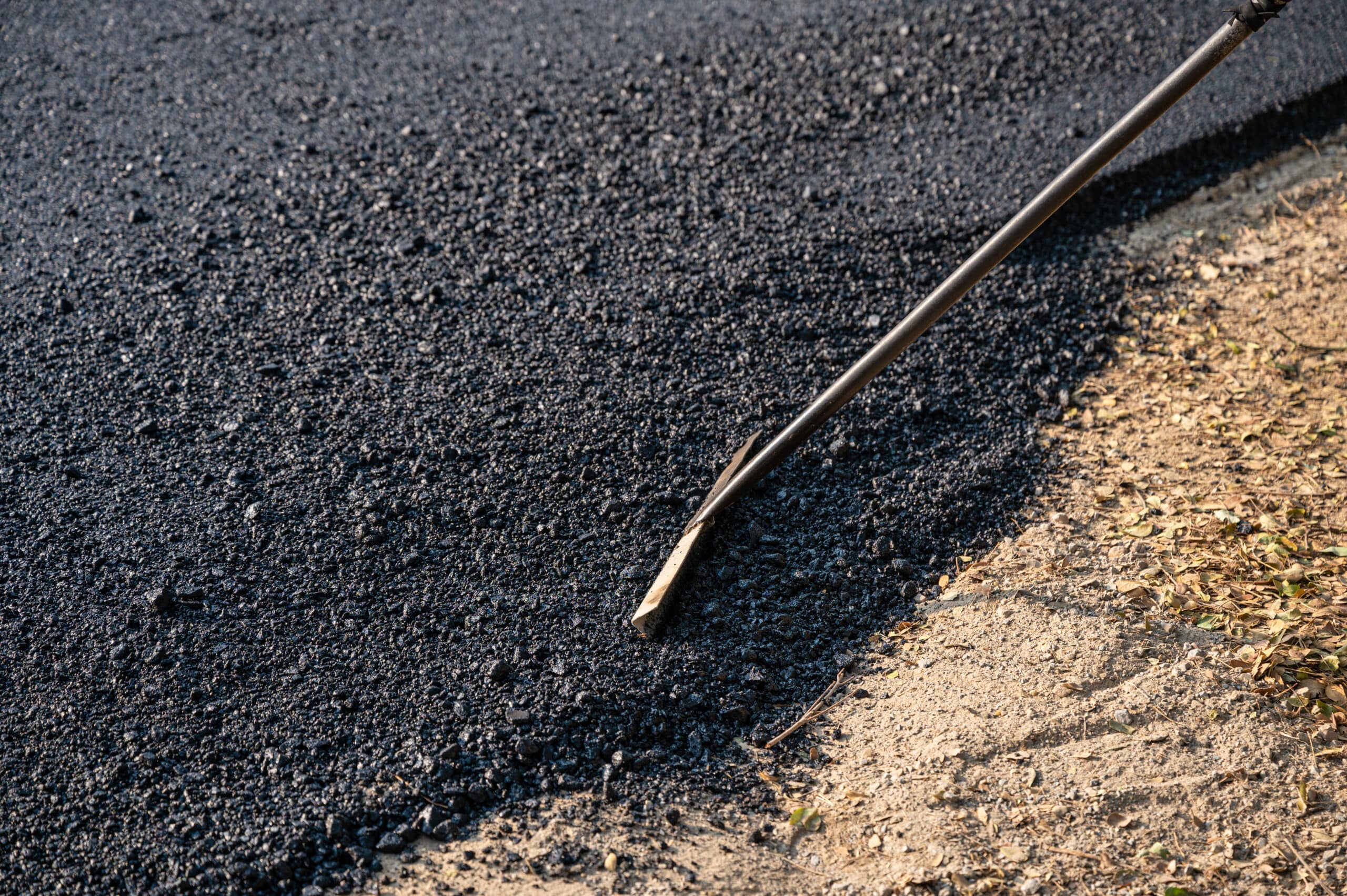
The asphalt is rolled and compacted using a combination of steel and multi wheel rollers to ensure a seamless finish.
3. Finishing Touches and Quality Checks
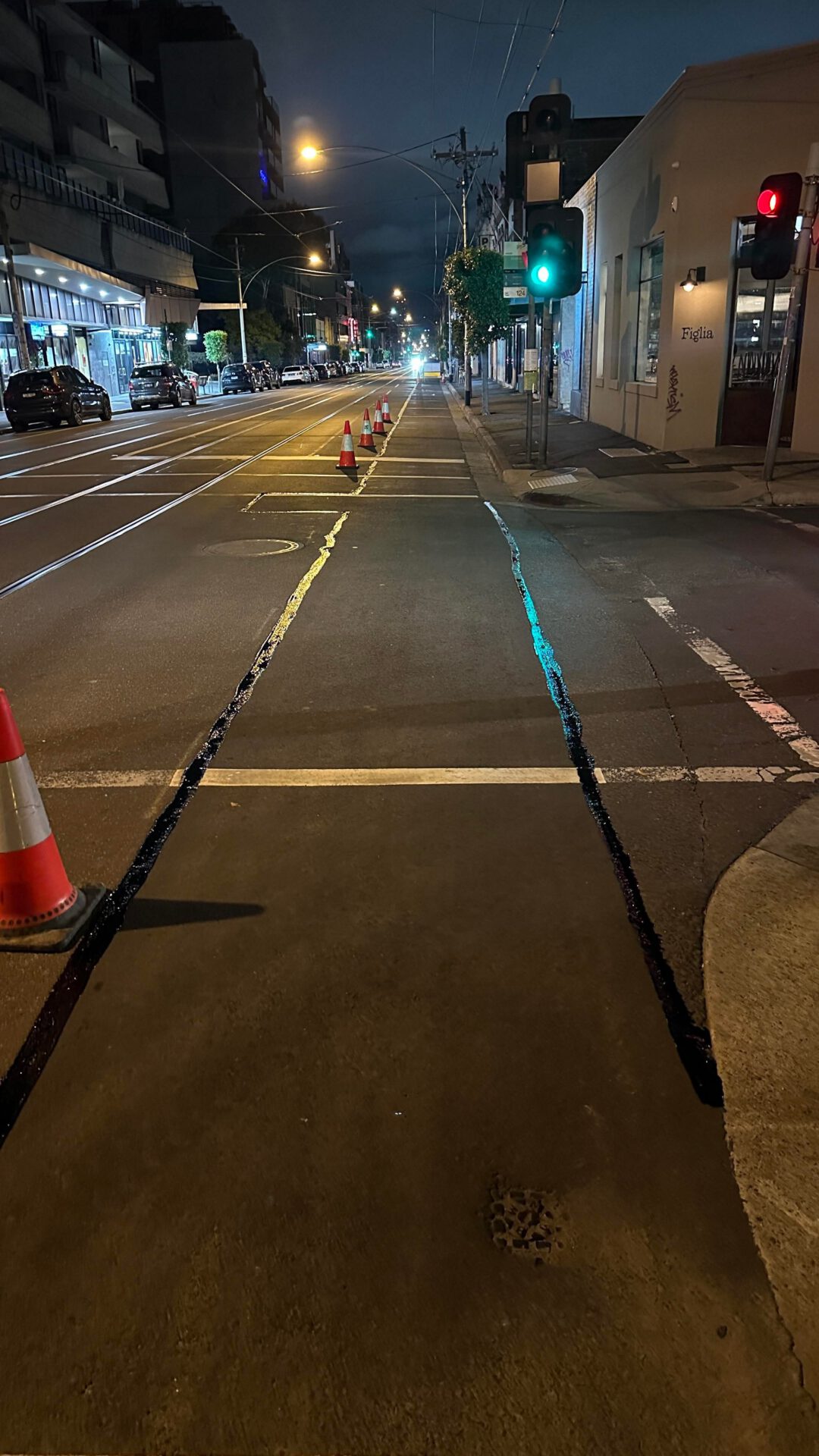
At the edges where old and new asphalt meet, joints are sealed with bitumen to prevent water ingress, which can lead to future damage like potholes.
Once complete, the site undergoes a series of final inspections. These may include level checks, compaction testing, and photo documentation to prove compliance with local standards such as the UK’s Specification for the Reinstatement of Openings in Highways (SROH).
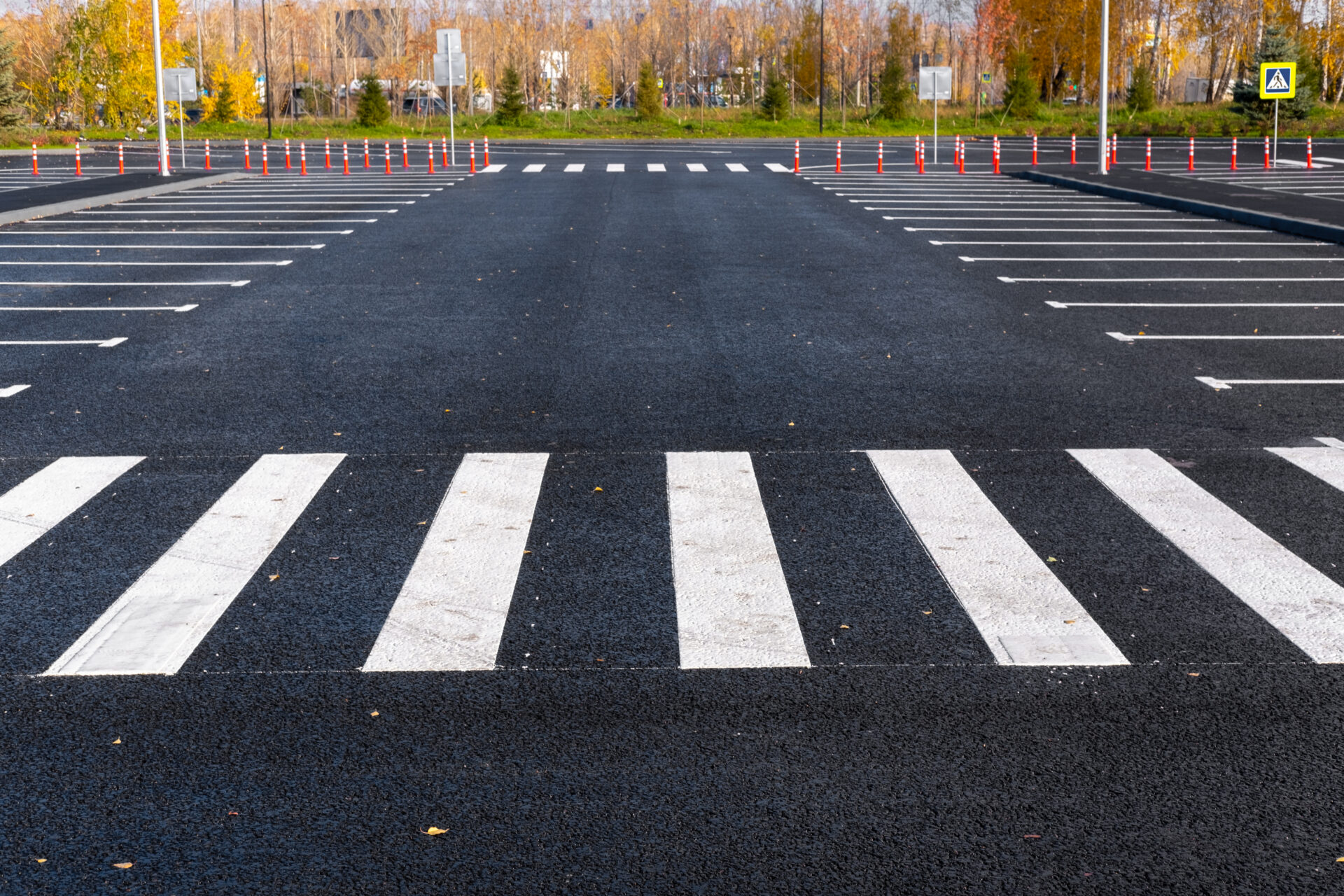
After approval, traffic control measures are removed, the area is cleared, and the road is reopened — good as new.
Frequently Asked Questions (FAQs)
What is asphalt reinstatement after utility works?
Asphalt reinstatement is the process of restoring a road, footpath or car park after underground utility works such as water, gas, electrical or telecommunications trenching. It involves backfilling the excavation, compacting the base layers and installing new asphalt so the surface is structurally sound and safe for traffic. Professional contractors specialising in asphalt resurfacing and reinstatement projects ensure the work meets local council and infrastructure authority standards.
Why is proper asphalt reinstatement important for roads in Victoria?
Poor reinstatement can lead to premature pavement failure, potholes, uneven surfaces and safety risks for vehicles and pedestrians. Professional asphalt reinstatement ensures the base is correctly compacted, the asphalt is laid to the right depth and the finished surface ties in seamlessly with the surrounding pavement. This helps councils, utilities and contractors maintain long-term road performance.
What are the typical steps involved in asphalt reinstatement?
Asphalt reinstatement typically includes excavation, service installation, backfilling with suitable materials, compaction of base layers, asphalt paving, and final compaction. In many projects, contractors may also complete line marking or crack sealing to restore the road to its original condition. Working with experienced asphalt contractors ensures the process meets local authority specifications, particularly for council and utility compliance across Victoria.
How long does asphalt reinstatement take after utility works?
The timeframe depends on the size of the excavation, traffic requirements and curing time for base materials. Smaller trench reinstatements may be completed within a day, while larger road reinstatement works may take several days. Traffic management, weather conditions and council requirements can also affect scheduling.
Can asphalt reinstatement be integrated into broader civil and infrastructure works?
Yes. Asphalt reinstatement is often part of broader civil works programs, including drainage, utilities, and road upgrades. Integrating these services ensures better coordination, reduced downtime, and improved project outcomes.
What are the compliance requirements for asphalt reinstatement on council and authority assets?
Asphalt reinstatement on council and authority assets must meet strict specifications, including Victorian council and DTP (VicRoads) guidelines and utility authority requirements. This covers pavement depth, compaction, joint sealing, and surface tolerances to ensure durability, safety, and approval at final inspection.
Who is responsible for asphalt reinstatement after utility works?
Responsibility typically lies with the utility contractor or civil contractor performing the excavation. In many cases, they subcontract specialist asphalt companies to complete the reinstatement. Engaging experienced contractors ensures compliance with council or asset owner requirements and reduces the risk of future pavement failures.
How do you manage large-scale or program-based reinstatement works?
Large-scale reinstatement programs are managed through coordinated scheduling, dedicated crews, and scalable plant and equipment. Roadsafe Asphalt supports ongoing works programs for utilities and contractors, ensuring consistency, efficiency, and minimal delays across multiple sites.
Do you offer end-to-end reinstatement services for infrastructure and utility projects?
Yes. Roadsafe Asphalt provides full-service delivery, including excavation support, asphalt reinstatement, civil works, crack sealing, and line marking. This reduces the need for multiple contractors and ensures a streamlined, accountable delivery process.
How do you choose the right contractor for asphalt reinstatement?
Look for contractors with proven experience in asphalt paving and reinstatement works, modern plant and equipment, and the ability to meet council or infrastructure authority specifications. Companies that also offer related services like line marking, crack sealing and civil works can deliver a complete reinstatement solution.
“At Roadsafe Asphalt, we assess every site before recommending a solution — and we’re happy to walk you through the options based on your specific needs.”
Elias Mantinaos
Director of Roadsafe Asphalt
Need Advice or a Site Assessment?
Whether you’re resurfacing a car park, upgrading a shopping strip, or maintaining a council road, we can help you make the right call. Talk to one of our asphalt specialists with your project details.